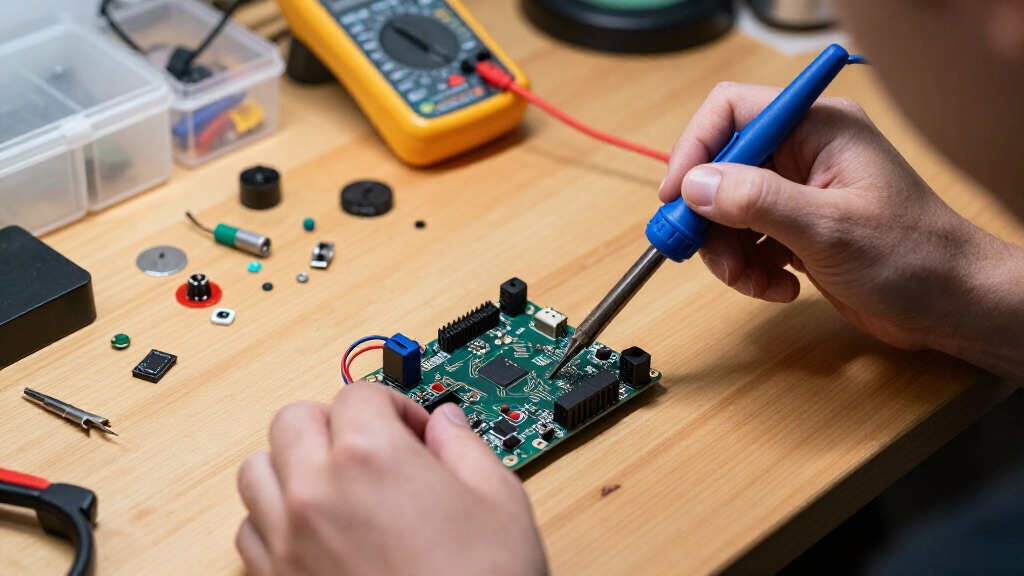

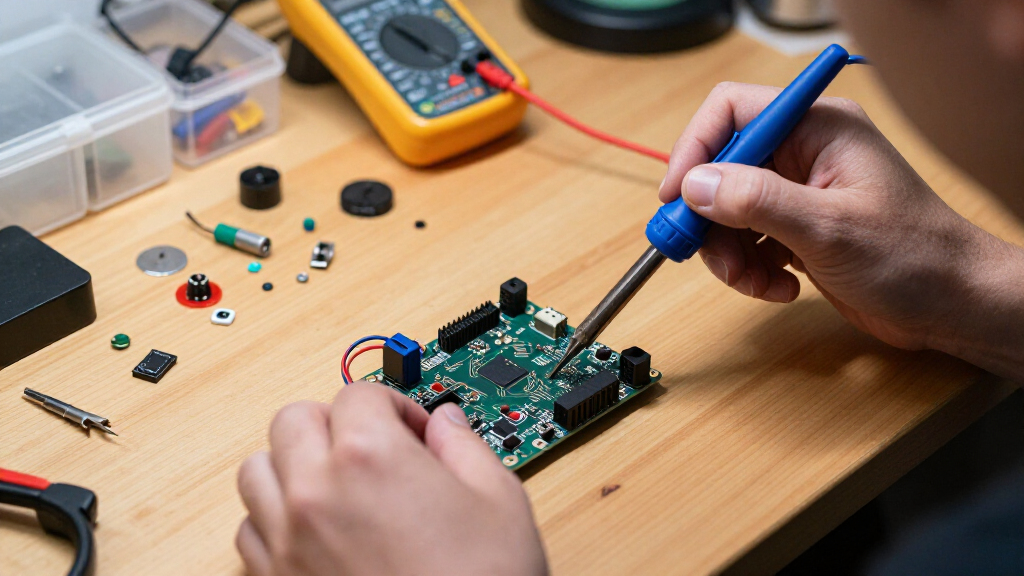
When searching for the best Raspberry Pi Pico boards, your main decision often hinges on balancing performance, features, and price. The Raspberry Pi Pico itself stands out as the overall best choice for most users due to its versatility and affordability. For those needing enhanced connectivity, the Raspberry Pi Pico W offers built-in Wi-Fi, while the Freenove Raspberry Pi Pico provides additional peripherals for quick prototyping. However, higher-end models come with tradeoffs in complexity and cost. Continue reading to see how these options compare and which one fits your project best.

Play games on Amazon Luna for your game nights, included with Prime
- A rotating selection of games, no download needed
- Play on TV, laptop or phone
- Fast, free delivery for your gear, too
Key Takeaways
- The Raspberry Pi Pico remains a flexible, low-cost option suitable for most hobbyists and learners.
- Built-in Wi-Fi on the Pico W adds significant value for IoT projects, but increases complexity.
- Pre-soldered headers save setup time and are ideal for beginners, though they reduce customization options.
- Bundles like the Raspberry Pi Pico 2 offer multiple boards at a better price point for bulk projects.
- Higher-end models with extra peripherals or advanced features often come at a premium but offer expanded capabilities.
| Raspberry Pi Pico Microcontroller Development Board with Pre-Soldered Header |  | Best Overall | Microcontroller: RP2040 | Processor: Dual-core ARM Cortex M0+ | Clock Speed: up to 133 MHz | VIEW LATEST PRICE | See Our Full Breakdown |
| Freenove Raspberry Pi Pico Board with Pre-Soldered Header, Dual-core ARM Cortex-M0+ Microcontroller, Development Board |  | Best for Beginners | Processor: Dual-core ARM Cortex-M0+ | Included: Pre-soldered header, pinout card, stickers | Supported Languages: MicroPython, C, Java | VIEW LATEST PRICE | See Our Full Breakdown |
| Waveshare Raspberry Pi Pico Microcontroller Board with RP2040 Chip |  | Best for Versatile Development | Processor: RP2040 dual-core Cortex M0+ | Clock Speed: 133 MHz | SRAM: 264KB | VIEW LATEST PRICE | See Our Full Breakdown |
| Raspberry Pi Pico |  | Best Compact Form Factor | Processor: RP2040 dual-core ARM Cortex M0+ | Clock Speed: up to 133 MHz | SRAM: 264KB | VIEW LATEST PRICE | See Our Full Breakdown |
| Raspberry Pi Pico WH |  | Best Wireless Integration | Processor: RP2040 dual-core ARM Cortex M0+ | Clock Speed: up to 133 MHz | SRAM: 264kB | VIEW LATEST PRICE | See Our Full Breakdown |
| 2-Pack Raspberry Pi Pico Development Board with RP2040 Microcontroller |  | Best Overall for Versatile IoT Projects | Processor: Dual-core ARM Cortex M0+ | Clock Speed: Up to 133 MHz | SRAM: 264KB | VIEW LATEST PRICE | See Our Full Breakdown |
| KEYESTUDIO Raspberry Pi Pico Basic Starter Kit with Headers Micro USB Cable, Pico RP2040 Microcontroller, Flexible 26 Multifunction GPIO Pins, Temperature Sensor, Programmable in C & MicroPython |  | Best for Beginners Exploring Microcontroller Projects | Microcontroller: RP2040 | Processor: Dual-core Arm Cortex-M0+ | Internal RAM: 264KB | VIEW LATEST PRICE | See Our Full Breakdown |
| Raspberry Pi Pico W |  | Best for Wireless IoT Projects | Processor: Dual-core Arm Cortex M0+ | Internal RAM: 264KB | Maximum Flash Memory: 16MB | VIEW LATEST PRICE | See Our Full Breakdown |
| Raspberry Pi Pico 2 |  | Best for Embedded and High-Performance Applications | Processors: Dual Arm Cortex-M33 or RISC-V Hazard3 @ 150MHz | SRAM: 520 KB | Flash: 4 MB onboard QSPI | VIEW LATEST PRICE | See Our Full Breakdown |
| Raspberry Pi Pico board | Processor | GPIO Pins | SRAM | Flash Memory |
|---|---|---|---|---|
| Raspberry Pi Pico Microcontrol | Dual-core ARM Cortex M0+ | 26 | 264KB | 2MB |
| Freenove Raspberry Pi Pico Boa | Dual-core ARM Cortex-M0+ | 26 | — | — |
| Waveshare Raspberry Pi Pico Mi | RP2040 dual-core Cortex M0+ | 26 | 264KB | 2MB |
| Raspberry Pi Pico | RP2040 dual-core ARM Cortex M0+ | Multiple functions | 264KB | 2MB |
| Raspberry Pi Pico WH | RP2040 dual-core ARM Cortex M0+ | 26 | 264kB | 2MB |
| 2-Pack Raspberry Pi Pico Devel | Dual-core ARM Cortex M0+ | 30 | 264KB | 2MB onboard, supports up to 16MB off-chip |
| KEYESTUDIO Raspberry Pi Pico B | Dual-core Arm Cortex-M0+ | 26 | — | Up to 16MB |
| Raspberry Pi Pico W | Dual-core Arm Cortex M0+ | — | — | — |
| Raspberry Pi Pico 2 | — | 26 | 520 KB | — |
More Details on Our Top Picks
Raspberry Pi Pico Microcontroller Development Board with Pre-Soldered Header
This Raspberry Pi Pico stands out for its comprehensive feature set and ease of use, making it the best choice for those seeking a balanced, versatile microcontroller. Its dual-core ARM Cortex M0+ processor and 264KB SRAM deliver strong processing power, suitable for complex projects. Compared with the Pico WH, it lacks built-in wireless, but its support for multiple communication protocols and low-power modes make it more adaptable for general use. The pre-soldered header simplifies initial setup, though it requires some soldering skills for custom configurations. The limited onboard storage, however, can be a bottleneck for larger programs, and its lack of Wi-Fi or Bluetooth restricts wireless applications. Overall, this pick makes the most sense for hobbyists and developers seeking a reliable, all-round microcontroller without wireless features.
Pros:- Pre-soldered header for quick setup
- Supports multiple communication protocols (SPI, I2C, UART)
- Low-power sleep modes enhance energy efficiency
- Versatile GPIO and programmable I/O
Cons:- Limited onboard storage for complex applications
- No built-in Wi-Fi or Bluetooth
Best for: Hobbyists and developers wanting a flexible, all-purpose Pi Pico for various projects without wireless connectivity
Not ideal for: Users seeking built-in Wi-Fi or Bluetooth for IoT applications, as it lacks wireless features
- Microcontroller:RP2040
- Processor:Dual-core ARM Cortex M0+
- Clock Speed:up to 133 MHz
- SRAM:264KB
- Flash Memory:2MB
- GPIO Pins:26
- Connectivity:USB 1.1 (device and host)
- Additional Features:Temperature sensor, floating-point libraries, PIO state machines
Our verdict“This board is ideal for those who prioritize versatility and straightforward integration over wireless features.”
Freenove Raspberry Pi Pico Board with Pre-Soldered Header, Dual-core ARM Cortex-M0+ Microcontroller, Development Board
This Freenove Pico offers a friendly entry point for newcomers, thanks to included tutorials and pre-soldered headers. Its dual-core ARM Cortex-M0+ processor ensures decent performance for beginner projects, and the package’s detailed guides make setup accessible. Compared with the Waveshare Pico, it emphasizes ease of learning over advanced digital interfaces, making it more suitable for educational contexts. The included pinout card and stickers streamline the initial wiring, but the need for additional components for more complex projects can be a hurdle. It also lacks onboard wireless connectivity, limiting its scope in IoT applications. This model makes the most sense for those starting out in microcontroller programming and wanting guided support.
Pros:- Includes detailed tutorials and example projects
- Pre-soldered headers for quick assembly
- Supports multiple programming languages (MicroPython, C, Java)
- Compact and easy to connect
Cons:- Requires additional components for complex projects
- No onboard display or camera support
Best for: Beginners and educators seeking a straightforward, well-documented microcontroller kit
Not ideal for: Advanced users needing integrated wireless or extensive onboard features
- Processor:Dual-core ARM Cortex-M0+
- Included:Pre-soldered header, pinout card, stickers
- Supported Languages:MicroPython, C, Java
- Connectivity:USB
- GPIO Pins:26
- Additional Features:Tutorials and project examples
Our verdict“This board is perfect for those new to microcontrollers who benefit from structured learning and guided setup.”
Waveshare Raspberry Pi Pico Microcontroller Board with RP2040 Chip
The Waveshare Pico offers a solid balance of performance and connectivity, featuring the same dual-core RP2040 processor found in others but with multiple digital interfaces like PWM, ADC, and USB 1.1 support, making it suitable for more advanced projects. It includes a header and cable for immediate connection, which streamlines hardware setup. Compared with the Pico WH, it doesn’t have wireless but compensates with broader digital interface support, appealing to developers working on sensor integrations or multimedia. Its limited onboard memory can restrict large applications, and setup may require some technical familiarity. This pick is best for users who need dependable digital I/O options and a ready-to-use package for diverse development tasks.
Pros:- High-performance dual-core processor
- Supports multiple digital interfaces (SPI, I2C, UART, PWM, ADC)
- Includes header and connecting cable for straightforward setup
- Solid build for development and prototyping
Cons:- Limited onboard memory for large or complex programs
- No wireless connectivity options
Best for: Developers needing multiple digital interfaces for sensor and peripheral integration
Not ideal for: IoT enthusiasts seeking built-in Wi-Fi or Bluetooth, as it lacks wireless connectivity
- Processor:RP2040 dual-core Cortex M0+
- Clock Speed:133 MHz
- SRAM:264KB
- Flash Memory:2MB
- GPIO Pins:26
- Interfaces:SPI, I2C, UART, PWM, ADC
- Includes:Header and cable
Our verdict“This board is well-suited for projects that require extensive digital I/O but don’t depend on wireless features.”
Raspberry Pi Pico
The Raspberry Pi Pico’s castellated module design makes it ideal for embedding into custom hardware with minimal space, unlike the standard Pico models which are through-hole. Its dual-core ARM Cortex M0+ processor and 264KB SRAM deliver reliable performance for a range of projects. Compared with the Pico WH, it lacks wireless, but its compact form factor allows for sleek, integrated designs. The main tradeoff is the need for additional components to complete projects, as it offers no onboard peripherals or power management. Nonetheless, this design is perfect for engineers who want to incorporate a Pi Pico into a compact, custom PCB or embedded device, trading off ease of initial setup for minimal size and flexible integration.
Pros:- Solderable castellated design for easy integration into custom PCBs
- Powerful dual-core processor
- Ample onboard memory (264KB SRAM, 2MB Flash)
- Supports multiple GPIO functions
Cons:- Requires additional components for complete projects
- No onboard power management or peripherals
Best for: Hardware engineers designing embedded systems requiring a low-profile module
Not ideal for: Beginners or IoT projects needing built-in wireless, as it lacks onboard wireless features
- Processor:RP2040 dual-core ARM Cortex M0+
- Clock Speed:up to 133 MHz
- SRAM:264KB
- Flash Memory:2MB
- Form Factor:Castellated module
- GPIO Pins:Multiple functions
Our verdict“This module is suited for embedded system developers prioritizing a small footprint and custom PCB integration.”
Raspberry Pi Pico WH
The Pico WH combines the core strengths of the standard Pico with integrated wireless capabilities, featuring 2.4GHz Wi-Fi 802.11n and Bluetooth 5.2. Its dual-core ARM Cortex M0+ processor and 264KB SRAM provide reliable performance for connected projects. Compared to the non-wireless Pico, the Pico WH offers an immediate wireless connection, ideal for IoT applications. However, its onboard 2MB Flash memory is limited for larger programs, and it lacks onboard peripherals like displays or cameras, which may restrict certain projects. This board makes the most sense for developers who want a compact, wireless-enabled microcontroller without adding external modules, streamlining IoT device creation.
Pros:- Built-in 2.4GHz Wi-Fi and Bluetooth 5.2
- Dual-core ARM Cortex M0+ processor
- 26 multi-function GPIO pins
- Compact, integrated design
Cons:- Limited onboard Flash memory for large programs
- No onboard display or camera support
Best for: IoT developers seeking an integrated wireless solution for connected projects
Not ideal for: Users needing extensive onboard storage or multimedia features, as it lacks these peripherals
- Processor:RP2040 dual-core ARM Cortex M0+
- Clock Speed:up to 133 MHz
- SRAM:264kB
- Flash Memory:2MB
- Wireless:2.4GHz Wi-Fi, Bluetooth 5.2
- USB Support:USB 1.1 Host and Device
- GPIO Pins:26
Our verdict“This board is ideal for IoT projects requiring integrated wireless connectivity and compact size.”
2-Pack Raspberry Pi Pico Development Board with RP2040 Microcontroller
This dual-board set stands out for its dual-core ARM Cortex M0+ processor, offering the power needed for more complex IoT applications compared to single-board options like the Raspberry Pi Pico W. The extensive GPIO and multiple communication interfaces provide flexibility, but the need for a computer to program them and limited onboard flash memory are potential hurdles for beginners or those working on large projects. The inclusion of two boards makes it ideal for development and testing, especially in scenarios where redundancy or parallel projects are desired.
Compared with the Pico W, these boards lack built-in Wi-Fi, but their raw processing power and GPIO count make them more adaptable for standalone hardware projects requiring multiple peripherals.
Pros:- Powerful dual-core ARM Cortex M0+ processor suitable for complex tasks
- Supports multiple programming languages including C, C++, and Python
- Compact size fits into space-constrained projects
- Includes two boards for versatile development and testing
Cons:- Requires a computer for programming and setup, which can be a barrier for newcomers
- Limited onboard flash memory restricts large project storage
- May be challenging for users without prior microcontroller experience
Best for: Developers needing dual boards for testing or deploying IoT applications with extensive hardware interfaces.
Not ideal for: Complete beginners or projects requiring built-in Wi-Fi or extensive onboard storage without additional components.
- Processor:Dual-core ARM Cortex M0+
- Clock Speed:Up to 133 MHz
- SRAM:264KB
- Flash Memory:2MB onboard, supports up to 16MB off-chip
- GPIO Pins:30
- Dimensions:2.1cm x 5.1cm
Our verdict“This set is best for experienced developers who need dual boards with high processing capability for diverse IoT projects.”
KEYESTUDIO Raspberry Pi Pico Basic Starter Kit with Headers Micro USB Cable, Pico RP2040 Microcontroller, Flexible 26 Multifunction GPIO Pins, Temperature Sensor, Programmable in C & MicroPython
This starter kit provides a well-rounded package for those new to microcontrollers, with a compact RP2040-based Pico and 26 GPIO pins, including a temperature sensor for immediate experimentation. Its support for both C and MicroPython makes it accessible for learners, but it requires some technical knowledge to fully leverage all peripherals and features. Compared with the 2-Pack Pico boards, this kit offers a more guided, educational experience, perfect for hobbyists or students stepping into embedded programming.
While it offers versatile peripheral options, its onboard storage and processing capabilities are more limited than the Pico 2 or Pico W, making it less suitable for large or complex projects without additional components.
Pros:- Includes a variety of peripherals like a temperature sensor for immediate experimentation
- Supports programming in both C and MicroPython, accommodating different skill levels
- Compact and portable design suitable for educational kits
- Low-cost entry point for microcontroller experimentation
Cons:- Limited onboard storage restricts large project development
- Requires some technical skill to fully utilize peripherals and programming environments
- Not ideal for projects requiring built-in wireless connectivity
Best for: Beginners and students eager to learn microcontroller programming with ready-to-use components.
Not ideal for: Advanced users or developers needing extensive onboard storage or Wi-Fi connectivity for commercial IoT applications.
- Microcontroller:RP2040
- Processor:Dual-core Arm Cortex-M0+
- Internal RAM:264KB
- Flash Memory:Up to 16MB
- GPIO Pins:26
- Features:Temperature sensor, low-power modes, on-chip clock
Our verdict“This kit makes the most sense for beginners and educators looking for an accessible, all-in-one microcontroller starter pack.”
Raspberry Pi Pico W
The Pico W extends the capabilities of the original Pico by adding built-in 2.4GHz Wi-Fi, making it a strong choice for IoT applications where connectivity is essential. Its dual-core ARM Cortex M0+ processor and 264KB RAM are comparable to the Pico, but the Wi-Fi module introduces additional complexity and power considerations. Compared with the Pico 2, the Pico W offers easier wireless integration without requiring external modules, though it sacrifices some onboard storage and processing power for simplicity and convenience.
This model is ideal for developers focused on wireless projects, but those needing large onboard flash or advanced peripherals might find it limiting without external components.
Pros:- Built-in 2.4GHz Wi-Fi simplifies wireless connectivity setup
- Compatible with the same programming environment as other Pico boards
- Compact and reliable, with extensive compliance testing
- Ideal for remote sensor networks and IoT devices
Cons:- Limited onboard storage means external flash modules are often required for large data projects
- Wi-Fi adds complexity and power consumption, not suitable for all applications
- Less processing power compared to the Pico 2 with RISC-V or Cortex-M33 cores
Best for: IoT developers needing integrated Wi-Fi for quick deployment of connected sensors or devices.
Not ideal for: Projects that demand large onboard storage or high processing power without Wi-Fi, where the Pico 2 or Pico 2 might suit better.
- Processor:Dual-core Arm Cortex M0+
- Internal RAM:264KB
- Maximum Flash Memory:16MB
- Wireless:2.4GHz 802.11n Wi-Fi
Our verdict“This pick makes the most sense for IoT projects where wireless connectivity outweighs the need for maximum onboard storage or processing power.”
Raspberry Pi Pico 2
The Pico 2 introduces dual Arm Cortex-M33 or RISC-V Hazard3 processors, running at 150MHz, making it a significant step up for embedded projects needing more processing power. Its 520KB SRAM and 4MB onboard flash provide ample space for larger firmware and data, surpassing the Pico and Pico W in memory capacity. Multiple communication interfaces and GPIO pins ensure versatile connectivity, but the advanced features and higher complexity mean it’s better suited for experienced developers or hobbyists with specific embedded needs, rather than casual or beginner projects.
Compared with the standard Pico, the Pico 2 offers substantial improvements in processing and memory, yet it does not include built-in Wi-Fi or display peripherals, which limits its out-of-the-box IoT capabilities.
Pros:- Powerful dual-core processors tailored for demanding embedded applications
- Large onboard flash and SRAM support complex firmware and data storage
- Multiple communication interfaces and GPIO pins for extensive connectivity
- Supports both ARM Cortex-M33 and RISC-V architectures for flexibility
Cons:- Requires advanced knowledge to utilize its full potential
- No built-in Wi-Fi or display, necessitating additional components for network or user interface
- Overkill for simple or low-power projects
Best for: Embedded developers seeking high-performance microcontrollers for complex, resource-intensive projects.
Not ideal for: Beginners or projects requiring wireless connectivity without additional modules, as it lacks integrated Wi-Fi and is more complex to program.
- Processors:Dual Arm Cortex-M33 or RISC-V Hazard3 @ 150MHz
- SRAM:520 KB
- Flash:4 MB onboard QSPI
- GPIO Pins:26
- Dimensions:21 mm × 51 mm
Our verdict“This board is best suited for experienced embedded engineers developing resource-heavy applications requiring significant processing power and memory.”
How We Picked
These boards were evaluated based on a combination of performance, build quality, ease of use, and value. We prioritized boards with reliable manufacturing, clear documentation, and versatility for various projects. Cost was a factor, but not at the expense of essential features like GPIO accessibility and expandability. The ranking considers how well each board suits different user needs—from beginners to seasoned developers—focusing on real-world usability and long-term value.| Raspberry Pi Pico board | Processor |
|---|---|
| Raspberry Pi Pico Microcontrol | Dual-core ARM Cortex M0+ |
| Freenove Raspberry Pi Pico Boa | Dual-core ARM Cortex-M0+ |
| Waveshare Raspberry Pi Pico Mi | RP2040 dual-core Cortex M0+ |
| Raspberry Pi Pico | RP2040 dual-core ARM Cortex M0+ |
| Raspberry Pi Pico WH | RP2040 dual-core ARM Cortex M0+ |
| 2-Pack Raspberry Pi Pico Devel | Dual-core ARM Cortex M0+ |
| KEYESTUDIO Raspberry Pi Pico B | Dual-core Arm Cortex-M0+ |
| Raspberry Pi Pico W | Dual-core Arm Cortex M0+ |
| Raspberry Pi Pico 2 | — |
Factors to Consider When Choosing Best Raspberry Pi Pico Boards
Choosing the right Raspberry Pi Pico board depends on several key factors. Understanding these can help prevent common mistakes, such as overpaying for unnecessary features or selecting a board incompatible with your project requirements. Here are the main considerations to keep in mind:Performance and Microcontroller Capabilities
Look for a board with a microcontroller that matches your project’s processing needs. The RP2040 chip on the Pico offers dual-core processing, which is sufficient for most applications. However, if your project demands higher speed or specific peripherals, consider boards with additional processing power or integrated components. Remember, more power often means higher cost and complexity.
Connectivity and Expansion
If your project requires Wi-Fi, Bluetooth, or other communication protocols, the Pico W and Pico H models provide these features built-in. However, if you need extensive GPIO pins or specific interfaces, verify the number and type of headers and connectors. Over-supplying features you won’t use can increase cost and complexity, while underspecifying can limit your project’s growth.
Ease of Assembly and Use
Pre-soldered headers and comprehensive starter kits simplify setup for beginners, reducing frustration and assembly time. However, these options might limit customization or upgrading. For advanced users, soldering headers themselves offers flexibility, but at the cost of added complexity. Consider your comfort level and project needs when choosing between these options.
Price and Value
Balancing cost and features is vital. Bundles or bulk packs offer savings for large projects but may include unnecessary extras. Conversely, premium models with additional peripherals can streamline development but at a higher price. Think about your budget and whether the added features will genuinely benefit your project over time.
Compatibility and Community Support
Ensure the board you select is compatible with the software ecosystem and has active community support. This can significantly reduce troubleshooting time and expand your learning resources. Boards with a large user base often have more tutorials, libraries, and troubleshooting tips available, which is invaluable for beginners and experts alike.
Frequently Asked Questions
Is the Raspberry Pi Pico W worth it for my project?
The Raspberry Pi Pico W is a strong choice if your project requires wireless connectivity, such as IoT sensors or remote control systems. Its built-in Wi-Fi simplifies development by eliminating the need for external modules, saving space and reducing wiring. However, it comes at a slightly higher cost and increased complexity compared to the standard Pico. If wireless features are essential for your project, it offers clear value; otherwise, the original Pico may suffice.
Can I upgrade my Pico with additional peripherals later?
Absolutely. The Pico’s GPIO pins are accessible and compatible with many peripherals like sensors, displays, and external memory modules. Soldering headers or using breadboards can facilitate expansion, but keep in mind that some boards come with pre-soldered headers, limiting modifications. Planning your expansion needs early can help you choose a board that accommodates future upgrades without major modifications.
Are starter kits with accessories better for beginners?
Yes, starter kits often include essential components like sensors, LEDs, and cables, which can accelerate initial learning and experimentation. They also usually come with detailed instructions, making setup easier. However, it’s worth checking if the kit’s peripherals align with your project goals, as some may include unnecessary items. Investing in a reputable kit can save time and frustration for newcomers.
How important is built-in Wi-Fi or Bluetooth in a Pico board?
Built-in wireless connectivity can greatly expand the potential applications of your Pico board, especially for IoT projects. It simplifies hardware design and reduces the need for external modules, saving space and complexity. However, it can also increase the cost and power consumption. If your project doesn’t require wireless features, the standard Pico offers excellent performance at a lower price point.
What should I consider when choosing between single and multi-pack options?
Multi-pack options are cost-effective if you plan to run multiple projects or prototypes simultaneously. They often include bulk pricing and can help standardize components across your projects. On the other hand, single units are better suited for specific, one-time projects or when testing different configurations. Evaluate your project scope and budget to decide whether bulk packs or individual boards make more sense for your needs.
Conclusion
For most hobbyists and learners, the Raspberry Pi Pico remains the best overall choice due to its balance of price, performance, and versatility. Those seeking wireless capabilities should consider the Pico W, especially for IoT projects. Beginners will benefit from starter kits with pre-soldered headers, while advanced users might prefer boards with more peripherals or customization options. If you prioritize value and bulk projects, the 2-pack offers excellent savings. Ultimately, your ideal pick depends on your specific project needs and experience level.
Fall Picks
fall essentials
As an affiliate, we earn on qualifying purchases.