TL;DR

Play games on Amazon Luna for your game nights, included with Prime
- A rotating selection of games, no download needed
- Play on TV, laptop or phone
- Fast, free delivery for your gear, too
Rep. Ritchie Torres introduced the Power To The Players Act, which would direct the FTC to establish rules on video game ownership. The proposal says purchases should convey ownership rather than a revocable license and would require an offline mode for games with online functionality before supporting servers are shut down. The bill’s legislative status and implementation details are not provided in the source report.
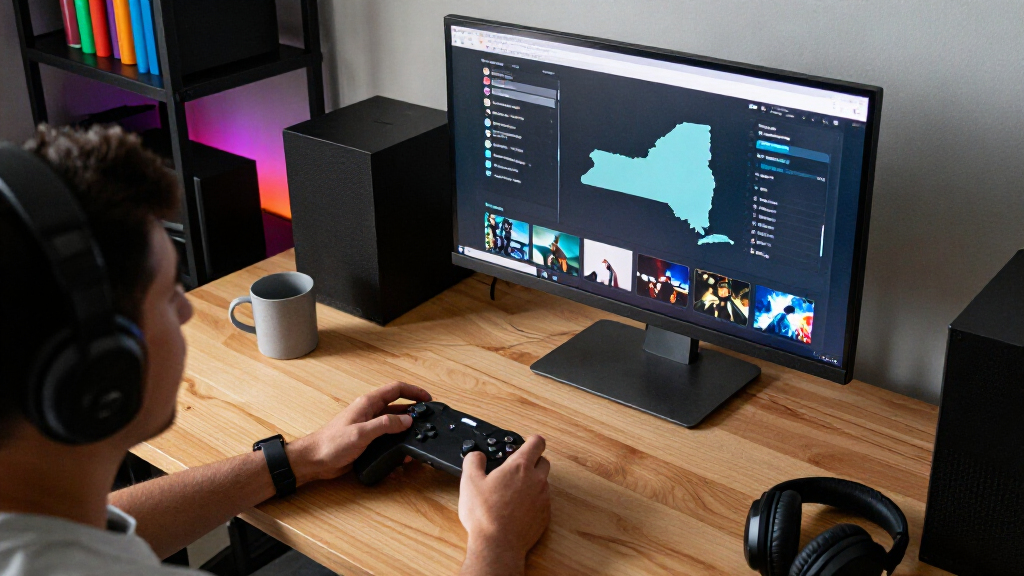
Rep. Ritchie Torres, a Democrat representing New York’s 15th congressional district, has introduced the Power To The Players Act, a bill that would direct the Federal Trade Commission to establish rules on video game ownership. The proposal would treat a game purchase as ownership rather than a license to play and require games with online functionality to offer an offline mode before their supporting servers are shut down.
The bill’s stated approach is to have the FTC establish regulations aimed at curbing what its proponents describe as anti-consumer practices in the video game industry. The source report quotes the legislation’s release as saying that buying a game would give the consumer ownership of it, rather than a license. The report does not provide the proposed regulatory text or explain how the FTC would define ownership.
A separate provision addresses games that depend on publisher-operated online services. According to the release quoted in the report, games with online functionality would need to provide an offline mode before the supporting servers are shut down. That would address one specific consequence of ending online support, but the supplied material does not say whether the requirement would apply to every game with online features or how it would work for games designed to require a connection.
The report identifies Torres as the bill’s sponsor, but it does not give a bill number, text, co-sponsors, committee referral or vote schedule. It also does not establish that the proposal has passed or become law. The development is therefore an introduction of legislation, not a change to the rules currently governing game purchases.
How the Bill Could Affect Game Access
If enacted and implemented as described, the proposal could change how consumers’ rights are framed when they buy games. A distinction between ownership and a revocable license matters when a publisher changes access terms, removes a product from sale or ends services tied to a game. The source material, however, does not spell out what ownership would guarantee in practice, such as the right to transfer a game, keep using downloaded files or obtain updates.
The offline-mode requirement focuses on another direct concern: what players can do after a publisher stops operating servers. An offline option could preserve some access to a game after that point, but it would not necessarily preserve online multiplayer, cloud features or other functions that rely on the publisher’s infrastructure. The proposal’s effect would depend on the wording of the final law and rules made by the FTC.
For players, the bill signals a federal effort to address the gap between the everyday language of buying a game and the limits that may apply to digital access. For publishers and storefronts, it could prompt new obligations if enacted. At this stage, those are possible consequences, not requirements already in force.
As an affiliate, we earn on qualifying purchases.
Other Proposals on Game Preservation
The report places Torres’s proposal amid public concern about games becoming inaccessible or losing features when publishers end support. It also points to Pennsylvania state Sen. John Kane’s Protect Our Games Act, which the report says would require publishers to offer an offline mode, community servers or a refund of at least 25%. That is a separate state-level proposal, not part of Torres’s federal bill.
The report also describes a position taken by Sony’s lawyers in an ongoing class-action lawsuit: they argued that clicking a purchase button would not lead a consumer to expect a durable right to use a game, rather than a revocable license. That account is presented as a legal argument in litigation, not a court ruling. The source does not provide the case’s name, a decision on that issue or the outcome of the lawsuit.
These examples show that questions about digital game access are being raised through both proposed legislation and legal disputes. They do not establish that all games are licensed on identical terms or that a court has settled the broader ownership question.
“Under the bill, buying a video game would give the consumer ownership of the game rather than a license to play it.”
— The Power To The Players Act release, as quoted by Tom’s Hardware
As an affiliate, we earn on qualifying purchases.
Bill Text and Status Still Unknown
The source report does not state when the bill was introduced, provide its formal legislative text or identify its bill number and co-sponsors. It also does not say whether it has been referred to a committee, scheduled for a hearing or advanced toward a vote. Without those details, its prospects and timeline cannot be assessed from the available information.
The proposed ownership rules are not defined in the material provided. It remains unclear how the legislation would address digital downloads, physical copies that require online checks, games with no offline functionality, or content and services that depend on external servers. The report also does not specify what penalties or remedies could apply if a publisher failed to meet the proposed requirements.
Nor does the report establish how the federal proposal would interact with existing consumer-protection rules or the separate Pennsylvania bill. These questions would depend on the full text and any later FTC regulations. The claims about Sony’s legal position should also be read as arguments in an ongoing case; the reported material does not describe a final ruling.
As an affiliate, we earn on qualifying purchases.
Congressional Steps to Watch
The next developments to watch are publication of the bill’s full text, its formal filing details and any action by the relevant congressional committee. Those steps would clarify the scope of the proposed ownership protections and the process through which lawmakers may consider them.
If the legislation advances, amendments, hearings or a committee vote could refine or change its requirements. If it becomes law, the FTC would then be directed to establish regulations under the proposal’s terms, although the source material gives no timetable for that process. Until legislative action occurs, the bill remains a proposal and does not itself change consumers’ rights or publishers’ obligations.
As an affiliate, we earn on qualifying purchases.
Key Questions
What is the Power To The Players Act?
It is a bill introduced by Rep. Ritchie Torres that would direct the FTC to establish rules on video game ownership and address access after online support ends.
Would the bill make game purchases ownership rather than licensing?
That is the proposal’s stated aim. The release quoted in the report says buying a game would give the consumer ownership rather than a license, but the supplied material does not include detailed definitions or the full legislative text.
What would happen when a game’s servers shut down?
As described in the release, games with online functionality would need to provide an offline mode before supporting servers are shut down. The report does not explain how that requirement would apply to games that depend on continuous online connections.
Has the bill become law?
No passage or enactment is reported in the source material. It describes the measure as introduced legislation, and its current committee status and prospects are not given.
Is Pennsylvania’s Protect Our Games Act the same bill?
No. The report describes John Kane’s proposal as a separate Pennsylvania state bill. It says that proposal would require an offline mode, community servers or a minimum 25% refund.
Source: hn
Halloween Picks
halloween
As an affiliate, we earn on qualifying purchases.