
TL;DR

Play games on Amazon Luna for your game nights, included with Prime
- A rotating selection of games, no download needed
- Play on TV, laptop or phone
- Fast, free delivery for your gear, too
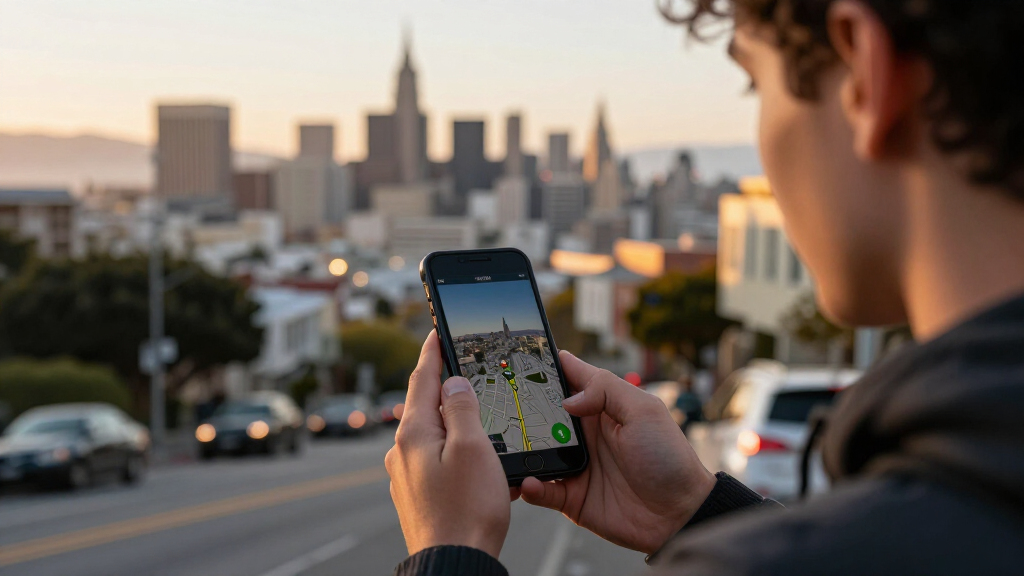
A game developer has revealed plans to recreate the entire city of San Francisco as a detailed video game environment. The project aims to offer a highly realistic simulation of the city, with potential applications in gaming, urban planning, and virtual tourism. The development is in early stages, with many technical and ethical questions remaining.
A game development company has announced plans to recreate the entire city of San Francisco as a highly detailed, playable video game environment. The project, still in early development, aims to offer a realistic simulation of the city’s streets, landmarks, and neighborhoods, with potential uses ranging from entertainment to urban planning. This development has attracted significant attention due to its scale and implications for virtual representation of real-world locations.
The project was publicly revealed via a Twitter post by a prominent game developer, CDNG Dev. The team plans to utilize advanced scanning and mapping technologies, including drone footage, LiDAR, and AI-driven modeling, to create a highly accurate digital replica of San Francisco. The goal is to capture not only the city’s physical layout but also its dynamic elements such as traffic, weather, and pedestrian movement.
According to the developer, the project aims to serve multiple purposes: providing a platform for immersive gaming experiences, offering a tool for urban planning and disaster simulation, and enabling virtual tourism. The developers have emphasized that the project is still in early stages, with no specific release date announced. They also clarified that the digital city will be accessible through multiple platforms, including PC and virtual reality devices.
Implications for Gaming, Urban Planning, and Virtual Tourism
This project could have implications across various fields. For gamers, it may introduce a new level of detail and realism in open-world environments, potentially influencing future cityscapes in video games. For urban planners and emergency responders, a detailed digital twin of San Francisco could serve as a tool for simulations, infrastructure planning, and disaster preparedness. Virtual tourism could also be expanded, allowing users to explore San Francisco remotely with high fidelity.
However, the project also raises questions about privacy, data use, and digital representation of real-world locations. The extent to which private data will be incorporated and how the digital city will be maintained and updated are ongoing discussions among stakeholders.
As an affiliate, we earn on qualifying purchases.
Background on Digital City Projects and San Francisco’s Urban Data
Creating digital replicas of real-world cities has been explored through projects like Google Earth and urban simulation platforms. Fully recreating an entire city as an interactive, real-time environment involves complex and resource-intensive processes. San Francisco, with its dense urban landscape and notable landmarks, has been a focus of digital modeling efforts. Recent advancements in scanning technology, AI, and cloud computing have made more detailed and dynamic urban digital twins feasible.
This announcement aligns with broader trends of integrating virtual environments into gaming, urban planning, and remote experiences. Previous efforts have often focused on specific districts or features, but a comprehensive digital city represents a more extensive development area that developers are now beginning to explore more systematically.
LiDAR scanning drone for 3D mapping
As an affiliate, we earn on qualifying purchases.
As an affiliate, we earn on qualifying purchases.
Unanswered Questions About Project Scope and Privacy
Many details about the project remain unconfirmed. It is unclear how comprehensive the digital recreation will be, the timeline for completion, or the extent of real-time data integration. Additionally, privacy concerns regarding the capture and use of detailed city data have not been fully addressed, raising questions about data sources and security measures.
urban planning simulation software
As an affiliate, we earn on qualifying purchases.
As an affiliate, we earn on qualifying purchases.
Next Steps in Development and Public Engagement
The developers plan to release periodic updates showcasing progress, including beta versions for testing. They have also indicated intentions to collaborate with city officials and urban planners to refine the digital model. Further announcements regarding project milestones, potential public access, and privacy safeguards are expected in the coming months.
As an affiliate, we earn on qualifying purchases.
Key Questions
Will the digital city be available to the public?
Yes, the developers have announced plans to release the digital city on multiple platforms, including PC and VR, but specific dates have not yet been confirmed.
How accurate will the digital recreation of San Francisco be?
The project aims for a highly detailed and realistic model, utilizing advanced scanning and mapping technologies, but the final level of accuracy will depend on ongoing development efforts.
What are the privacy implications of creating a digital city?
The project raises concerns about data privacy, especially regarding the capture of real-time movement and private data. Developers have not yet detailed how they will address these issues.
Could this digital model be used for emergency planning?
Potentially, yes. A detailed digital twin could simulate disaster scenarios and assist city officials in planning responses, but such applications are still under consideration.
Source: hn
Halloween Picks
halloween
As an affiliate, we earn on qualifying purchases.