TL;DR

Play games on Amazon Luna for your game nights, included with Prime
- A rotating selection of games, no download needed
- Play on TV, laptop or phone
- Fast, free delivery for your gear, too
A 1998 Los Angeles Times report described BeatDown, a monthly LAN party in Costa Mesa where attendees brought personal computers to play games over a local network. The event showed how online gaming could bring people together in person, though the article also described long gaming sessions and participants using anonymous online identities. The report does not establish how large the wider LAN-party movement was beyond its examples and sources.
A Los Angeles Times report published August 10, 1998, described BeatDown, a monthly local-area network (LAN) party in Costa Mesa where attendees brought personal computers to compete in networked games, dance and socialize. The gathering offered a physical meeting place for players who could otherwise compete online from separate locations, reflecting a growing, though not precisely quantified, LAN-party scene.
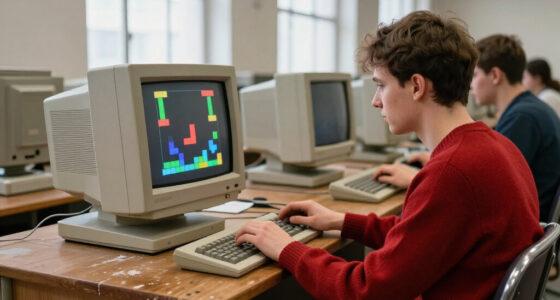
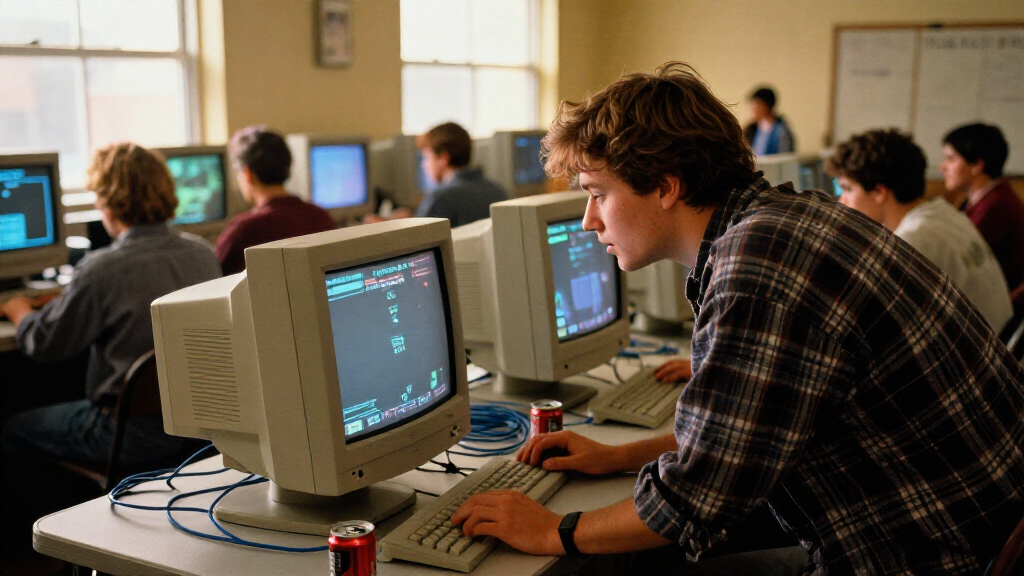
At BeatDown, participants connected their computers to a network set up at the venue and played against one another in person. The report described a corporate office complex filled with rows of computers, flashing lights and an impromptu dance floor. Attendees could stay for as long as 72 hours, according to the party’s stated rules, and the article said many played, danced and socialized through the night.
Andrea Bruns, a 27-year-old computer program manager who traveled from San Rafael, told the Times she came for the games but stayed for the people. At the party she used the gaming identity “China,” rather than her everyday name. The report said pseudonyms were common at LAN events, where players maintained online personas even while sharing the same room.
BeatDown founder Mark Surfas said the party began as a small gathering among friends and spread through word of mouth and gaming websites. The Times reported that it had celebrated its first anniversary the month before publication. It also cited other events, including gatherings in a Portland garage, an Alberta airplane hangar and a New York warehouse, as examples of networked gaming parties outside Costa Mesa.
The report captured a contrast at the center of early online gaming: games enabled distant players to compete, but some players traveled long distances to play side by side. That shift mattered socially as much as technically. A LAN connection made multiplayer matches possible, while being in the same space let competitors talk, watch one another react and continue the interaction away from the screen.
The event also complicates a simple claim that networked technology isolates users. BeatDown’s attendees were using computers, but the gathering depended on face-to-face contact. That does not show that online play generally strengthened communities; it records how one group of players chose to combine digital competition with an in-person event.
For readers, the article is a snapshot of gaming culture at a point when home computers and internet play were spreading, but high-speed online access was not equally available to everyone. A local network at a venue allowed multiple computers to participate together without relying on each player’s home connection.
Products Worth Considering

LG UltraGear 32GX850A-B 32-Inch 4K UHD Glossy OLED Gaming Monitor

Samsung 27 Odyssey OLED G5 (G50SF) QHD QD-OLED Gaming Monitor

LG UltraGear 27-Inch QHD OLED Gaming Monitor, 240Hz, 0.03ms, G-SYNC Compatible, FreeSync Premium Pro, HDMI 2.1
As an affiliate, we earn on qualifying purchases.
How BeatDown Connected Players
A LAN is a group of computers connected within one location. The Times explained that home users could connect computers through network interface cards and cables; at a party, organizers arranged the network to suit the number of machines and attendees. The setup let players compete directly on games designed for multiplayer play.
The report named first-person shooters such as Epic MegaGames’ Unreal and id Software’s Quake series among popular choices. It described the games as fast-paced and competitive. The growth of online play had helped players find opponents, but the article said some wanted more than remote competition and turned to gatherings such as BeatDown.
The Times characterized LAN parties as a growing trend and referred to gaming websites listing events. It quoted people involved in the scene and gave examples of gatherings in several locations. Those details document activity across North America, but they do not amount to a complete count of events or attendees.
““I came for the games. I stayed for the people.””
— Andrea Bruns, BeatDown attendee
The Scene’s Size Is Not Verified
The report described LAN parties as a growing trend and cited a website listing more than 150 scheduled events, but it did not provide a date range, a method for counting events or an independent estimate of total attendance. The figure should be read as a listing reported at the time, not as a verified measure of the entire scene.
Some details also remain anecdotal. The article relayed organizers’ and attendees’ descriptions of long sessions, demand for invitations and the appeal of gaming identities, but it did not independently measure how common those experiences were. Its examples show different kinds of gatherings, not necessarily a representative sample of LAN events.
The provided report excerpt ends partway through its description of BeatDown. It does not establish what happened at later editions, how the event developed after 1998 or whether the broader trend continued at the same pace.
No Later Milestone Is Reported
The source is a retrospective snapshot of an event operating in 1998, not an announcement of a new party or a scheduled next development. Surfas said BeatDown was monthly, so another gathering was part of the format described, but the article provides no date or details for a subsequent event.
For this report, the next useful evidence would be dated records from organizers or contemporaneous coverage showing BeatDown’s later attendance, event schedule and any changes to its format. The article itself does not say whether those developments occurred.
Key Questions
What was BeatDown?
BeatDown was a monthly LAN party held in Costa Mesa, California. Attendees brought personal computers to play networked games and also danced and socialized at the event.
What does LAN mean in this report?
LAN means local-area network: computers connected within one location so users can communicate and play games together. The Times described connections made through network cards and cables.
How long could attendees stay?
The party’s stated rules allowed people to attend for up to 72 hours. The report described overnight gaming and social activity, but that limit does not establish how long each individual stayed.
Did the article prove LAN parties were widespread?
No. It described BeatDown and cited examples in other places, as well as a gaming website listing more than 150 scheduled events. The article did not provide a verified total or a counting method for the wider scene.
Why did players meet in person if they could play online?
Attendees and industry figures told the Times that in-person gatherings offered conversation, shared reactions and socializing that remote matches did not. Those statements describe their reasons, rather than measuring the preferences of all online gamers.
Source: latimes.com