
TL;DR

Play games on Amazon Luna for your game nights, included with Prime
- A rotating selection of games, no download needed
- Play on TV, laptop or phone
- Fast, free delivery for your gear, too
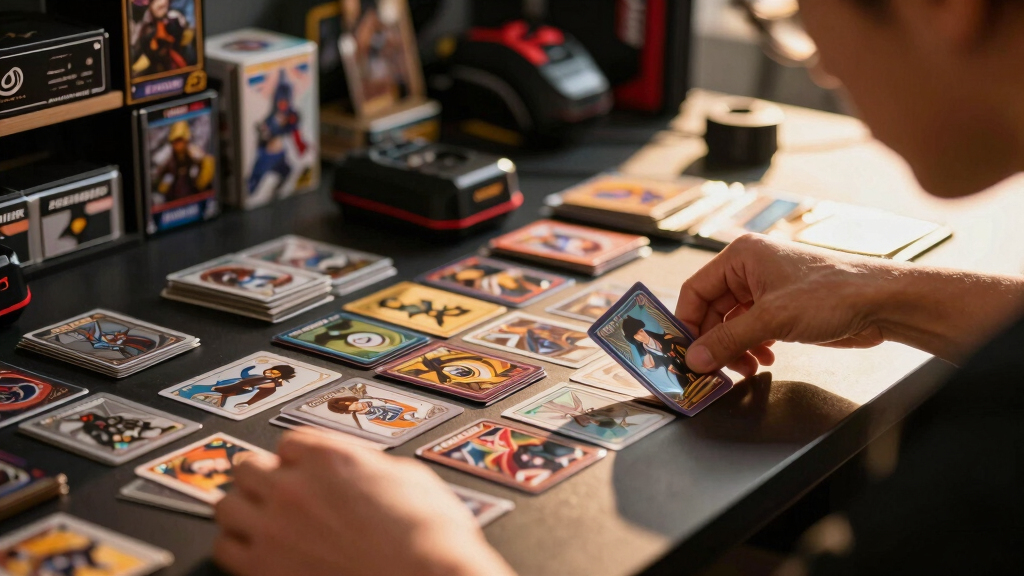
The TCG meta is a constantly shifting landscape of popular decks and strategies. Recognizing these patterns, understanding counter-techs, and staying updated can turn you from a beginner into a formidable opponent.
The Hidden Language of the TCG Meta Every New Player Should Learn
The TCG meta is the living code behind every serious match: the popular decks, dominant strategies, counter-techs, banlist shifts, and subtle card interactions that decide what wins before the first card is even played.
Stop reading only cards. Start reading the battlefield.
When you recognize what the room is built to beat, you can tune your deck, side smarter, and turn matchups that feel random into decisions you can control.
What “meta” really means
The meta is not just a list of popular cards. It is the current agreement among competitive players about which decks are strongest, which counters matter, and which strategies are fading after new sets, tournaments, and balance updates.
What keeps winning?
Recent top finishes reveal the archetypes players trust when prizes, rankings, and consistency are on the line.
What changed?
Fresh sets can introduce a powerful engine, support an old strategy, or create a matchup nobody has solved yet.
What is hidden?
Top players often discover small tech choices and card ratios before the rest of the community catches up.
The meta learning loop
New players improve fastest when they treat the meta as a repeatable reading process: observe, compare, test, side, and update.
Watch
Study streams, finals, and deck profiles from high-level events.
Map
Write down recurring archetypes, engines, and side deck cards.
Test
Play into common matchups until the threat patterns feel familiar.
Counter
Add tech cards that answer the most common strategies you expect.
Refresh
Recheck lists after new sets, tournament weekends, and banlist updates.
How common strategies speak
Most TCG decks announce their plan through structure. Once you learn the archetype, you can predict tempo, pressure points, and what kind of tech actually matters.
| Archetype | Game Plan | New Player Read | Common Counter | Risk If Ignored |
|---|---|---|---|---|
| Aggro | Win quickly with pressure and efficient threats. | ✓ Count damage windows early. | Removal, lifegain, board clears. | You stabilize one turn too late. |
| Control | Slow the game, answer threats, win with inevitability. | ~ Track counters and resources. | Hand disruption, resilient threats, bait plays. | Your best cards get traded down. |
| Combo | Assemble specific pieces for a decisive turn. | ✓ Identify the choke point. | Hand traps, graveyard hate, rule-based locks. | You lose before your board matters. |
| Midrange | Blend pressure, answers, and flexible threats. | ~ Watch role shifts each game. | Efficiency, card advantage, targeted side cards. | You fight the wrong battle plan. |
| Linear Engine | Repeat a powerful sequence with high consistency. | ✗ Do not trade randomly. | Cards that interrupt the engine itself. | You answer symptoms, not the cause. |
Where beginners gain the most edge
Tech cards and side decking are the meta’s practical vocabulary. They let you adapt between games instead of hoping your main deck naturally answers everything.
Skill impact for early improvement
A beginner usually gains more by learning repeatable meta-reading habits than by memorizing isolated card names.
Adaptation spectrum
The strongest players move from passive copying to active interpretation: they know why a card appears, not just that it appears.
Hidden interactions
Synergies, hand traps, graveyard lines, and timing windows often decide games before raw card power does.
Banlist fluency
When a key card is limited or banned, decks built around it must evolve, pivot, or disappear.
Where to read the signals
Reliable meta awareness comes from triangulation: deck databases, tournament results, creator analysis, community testing, and your own matchup notes.
TCGPlayer, YGOPRODeck, MTG Goldfish
Use recurring deck cores and sideboard choices as a live snapshot of what competitive players expect to face.
YouTube, Twitch, event coverage
Watch how top players sequence, bait interaction, and adjust after game one. The play patterns matter as much as the list.
Forums, Discords, locals
Discussion reveals emerging counters before they are fully reflected in tournament data.
New player FAQ
These are the questions that turn “I have cards” into “I understand the format.”
How do I identify current meta decks?
Check recent tournament results, high-level streams, and decklists. Look for recurring archetypes, engines, and tech cards.
How do I choose tech cards?
Study top side decks, test against common strategies, and keep cards that disrupt the opponent’s actual win condition.
How often does the meta shift?
Major TCG metas often move every 2-4 months as new sets, balance updates, bans, and player innovation reshape the field.
How do I get better at reading the meta?
Play regularly, save decklists, review losses, follow community discussion, and ask which pattern beat you, not just which card did.
Master the language, then adapt faster than the room.
The hidden language of the TCG meta turns randomness into strategy. Recognize trends, study top decks, understand interactions, and build flexible side plans. That is how a new player becomes a dangerous opponent before the first draw.
Key Takeaways
- The meta is a constantly shifting landscape shaped by new sets, tournaments, and innovations.
- Watching top players and analyzing their decks reveals current dominant strategies and tech choices.
- Knowing how card interactions work helps you predict and counter opponent moves.
- Side decking and tech cards are your secret tools for adapting to the meta mid-match.
- Staying updated with recent releases and tournament results keeps your strategies fresh and effective.
As an affiliate, we earn on qualifying purchases.
What the Meta Really Is — More Than Just Popular Cards
The meta is the unspoken set of rules, strategies, and trends that define what decks are strongest at any given moment. It’s shaped by tournament results, new set releases, and clever innovations from top players. For example, when a new set introduces a powerful archetype like ‘Spright’ in Yu-Gi-Oh!, it quickly dominates tournaments, forcing others to adapt.
Knowing the meta means you’re not just blindly throwing cards together. You’re reading the current battlefield—spotting what’s hot and what’s fading, then adjusting your deck to stay competitive.
Magic the Gathering side deck sleeves
As an affiliate, we earn on qualifying purchases.
As an affiliate, we earn on qualifying purchases.
How to Spot the Meta in Action — Follow the Top Players
The fastest way to learn the meta is by watching top-tier tournaments and analyzing the winning decks. For instance, during a recent Magic: The Gathering tournament, the top decks featured a dominant ‘Control’ archetype with specific tech cards like ‘Negate’ counters. These decks often share common core cards that define the meta.
Follow online platforms like TCGPlayer or YGOPRODeck to see the latest tournament-winning decks. Notice patterns: Are certain cards appearing repeatedly? Are specific archetypes favored in certain formats? This visual data is your cheat sheet.
As an affiliate, we earn on qualifying purchases.
The Power of the Hidden Interactions — Reading Between the Lines
Every deck has synergies and combos that aren’t obvious at first glance. Knowing these hidden links can give you a huge edge. For example, in Yu-Gi-Oh!, pairing cards like ‘Dark Ruler No More’ with a hand trap can shut down an opponent’s entire turn—something you only discover by understanding card interactions deeply.
Understanding these interactions matters because it allows you to anticipate your opponent’s moves and craft more effective counter-strategies. Overlooking subtle combos can leave you vulnerable, while mastering them can turn a seemingly defensive hand into a game-winning play. Moreover, recognizing which interactions are powerful and which are situational helps you allocate your resources more efficiently, avoiding over-investment in niche combos that may only work in specific matchups.
As an affiliate, we earn on qualifying purchases.
Tech Cards — Your Secret Weapons Against the Meta
Tech cards are specific cards you add to your deck to counter popular strategies. For example, in Yu-Gi-Oh!, ‘Twin Twisters’ can clear backrow-heavy decks, while ‘Artifact Lancea’ can stop graveyard-based strategies. Recognizing which tech cards are common in the meta allows you to include them in your side deck.
Think of tech cards as hidden weapons, ready to turn a losing matchup into a victory. Keep an eye on what top players are side decking and adapt accordingly.
Side Decking — Your Secret Weapon for Flexibility
Side decking is your ability to modify your deck between matches based on what you expect to face. Suppose you’re up against a deck that relies heavily on a specific combo. Bringing in a counter like ‘Dark Ruler No More’ can shut it down.
For example, in Pokémon, players often side in cards like ‘Field Blower’ to remove opponent’s tools, or ‘Escape Rope’ to disrupt their setup. Learning what to bring in and take out is the key to staying ahead of the meta.
Recent Meta Shifts — What’s New and What’s Fading
New set releases and balance updates shake up the meta regularly. Recently, Yu-Gi-Oh!’s ‘Cyberstorm Access’ introduced powerful link monsters that pushed out older strategies. Meanwhile, in Magic, the advent of new planeswalkers like ‘Teferi’ reshaped control decks.
These shifts matter because they can drastically alter your strategic landscape. Strategies that were dominant last season might now be countered or less effective due to new mechanics or card bans. Staying updated with recent releases and tournament results allows you to adapt quickly, ensuring your deck remains competitive and relevant. Failing to keep pace can leave you vulnerable to emerging archetypes, so continuous learning and flexibility are key to maintaining a competitive edge.
The Balance and Ban List — Keeping the Meta Fair and Fresh
Game publishers regularly update their ban lists to prevent any deck from dominating too much. For example, in Yu-Gi-Oh!, cards like ‘Monster Reborn’ are periodically banned to keep the game balanced.
Understanding these updates is crucial because they directly impact the viability of certain strategies. When a powerful card is banned, decks built around it become less effective or obsolete, forcing players to innovate or shift to other archetypes. This cyclical process maintains a dynamic meta, preventing stagnation and promoting creativity. Failing to adapt to these changes can result in outdated decks that struggle to compete, so staying informed about banlist updates ensures you’re always playing with the most current and competitive options.
Resources and Tricks to Stay Ahead
Websites like TCGPlayer, MTG Goldfish, and community forums are gold mines for meta info. Watching high-level tournaments on YouTube or Twitch exposes you to how top players adapt to the meta.
Quick tip: Save decklists, follow meta reports, and participate in online communities. The more you immerse yourself, the better you’ll understand the hidden language.
Frequently Asked Questions
How do I quickly identify the current meta decks?
Check recent tournament results, watch high-level streams, and review decklists on sites like YGOPRODeck or TCGPlayer. Look for recurring archetypes and tech cards, then adjust your deck accordingly.
What’s the best way to learn which tech cards counter popular strategies?
Study top tournament decks and side deck choices. Practice against common strategies to see which tech cards disrupt them best, then incorporate those into your own deck.
How often does the meta shift in major TCGs?
With new set releases, balance updates, and evolving player strategies, the meta can change every 2-4 months. Staying engaged with the community helps you keep pace.
Are there specific resources for real-time meta updates?
Yes, websites like TCGPlayer, MTG Goldfish, and community forums, plus tournament streams, are reliable sources for ongoing meta trends and deck analysis.
How can I improve my ability to read the meta?
Play regularly, analyze tournament decks, and follow community discussions. Over time, you’ll start noticing patterns and develop intuition for what’s hot and what’s not.
Conclusion
Mastering the hidden language of the TCG meta turns randomness into strategy. Recognize trends, study top decks, and adapt quickly. Your ability to read the meta will transform you from a beginner into a formidable competitor—ready for whatever your opponent throws down next.Fall Picks
fall essentials
As an affiliate, we earn on qualifying purchases.