
Searching for the best indie RPGs in 2026? The market offers a diverse array of options, from detailed rulebooks to innovative solo journaling experiences. The Modern Age RPG Basic Rulebook stands out as the most comprehensive overall choice, ideal for those wanting a flexible system. Meanwhile, Spire: The City Must Fall offers a compelling narrative set in a richly imagined city, perfect for story-driven players. The main tradeoffs in this category often involve balancing depth versus accessibility and solo flexibility versus group play. Keep reading for a detailed breakdown of each option and what makes them unique.

Get games and gaming gear delivered free — and shop member deals
- Fast, free delivery on millions of items
- Access to Prime Big Deal Days deals on October 6–7
- Prime Video, Amazon Music and more included
Key Takeaways
- The top-ranked options excel in balancing detailed mechanics with ease of use for solo or group play.
- Narrative-driven RPGs like Spire are favored for their immersive storytelling, but may require more setup.
- The best value picks offer comprehensive rulebooks at lower prices, while premium options provide advanced features and expandability.
- Solo journaling RPGs stand out for creative freedom but often lack traditional combat systems found in full rulebooks.
- Evaluation revealed that versatility and community support are key factors influencing rankings in this niche.
| Modern Age RPG Basic Rulebook |  | Best Core Rules for Contemporary Settings | Core Rules Coverage: Includes character creation, gameplay mechanics, setting info | Content Scope: Basic core rules, no expansions | Intended Audience: Players and GMs new to Modern Age RPG | VIEW LATEST PRICE | See Our Full Breakdown |
| How to Make RPG Adventures & Campaigns: A Game Master’s Guide | 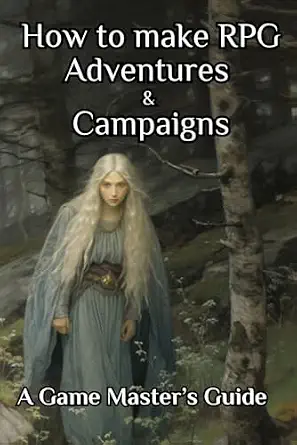 | Best for Campaign Creation Guidance | Content Focus: Campaign creation techniques, storytelling tips | Intended Audience: Game masters and aspiring campaign designers | Supplementary Material: None | VIEW LATEST PRICE | See Our Full Breakdown |
| 3 Solo Journaling RPGs: Substrata, Alien Midnight & Solarpunk |  | Best for Creative Solo Play | Number of Games: Three standalone journaling RPGs | Themes: Dystopian, alien, and solarpunk settings | Gameplay Mechanics: Minimal, focused on journaling | VIEW LATEST PRICE | See Our Full Breakdown |
| Spire: The City Must Fall RPG 5th Anniversary Edition |  | Best for Dystopian World-Building | Setting: Dark dystopian city | Edition: 5th Anniversary with updated content | Focus: World-building, political intrigue | VIEW LATEST PRICE | See Our Full Breakdown |
| Doomsong: RPG Core Rulebook |  | Best for Universe Exploration and Mechanics | Content Coverage: Rules, setting details | Artwork: Minimal, no detailed artwork | Expansion Content: None included | VIEW LATEST PRICE | See Our Full Breakdown |
| Fantasy AGE Core Rulebook |  | Best Core Rulebook for Fantasy RPG Enthusiasts | Page Count: 320 pages | Genre: Fantasy | Game System: AGE System | VIEW LATEST PRICE | See Our Full Breakdown |
| Solo RPG Framework and Toolbox – Fantasy |  | Best for Solo Fantasy Role-Playing Enthusiasts | Content Type: Framework and tools | Genre: Fantasy | Intended Use: Solo play | VIEW LATEST PRICE | See Our Full Breakdown |
More Details on Our Top Picks
Modern Age RPG Basic Rulebook
The Modern Age RPG Basic Rulebook stands out for providing a solid foundation for running modern-themed campaigns, making it ideal for players interested in contemporary storytelling. Compared with the Doomsong: RPG Core Rulebook, it offers more guidance on character creation and setting development, though it lacks supplementary content and detailed expansions. This makes it perfect for those starting out or focusing solely on core mechanics, but less appealing for players looking for extensive world-building or expansions. Its comprehensive rules and setting info make it a reliable choice for new and veteran players alike, but the limited scope means additional materials might be necessary for deep campaigns.
Pros:- Comprehensive core rules for Modern Age RPG
- Includes setting and character creation guidance
- Good for beginners and experienced players
Cons:- No additional content or expansions included
- Limited details without supplementary materials
Best for: Players who want a straightforward, well-rounded core rulebook to craft modern stories without needing expansions
Not ideal for: Gamers seeking extensive world-building, expansions, or detailed supplemental content in their RPGs
- Core Rules Coverage:Includes character creation, gameplay mechanics, setting info
- Content Scope:Basic core rules, no expansions
- Intended Audience:Players and GMs new to Modern Age RPG
Our verdict“This book is a solid choice for players seeking a practical, no-frills modern RPG core rulebook.”
How to Make RPG Adventures & Campaigns: A Game Master’s Guide
This guide excels at helping game masters craft engaging campaigns, offering practical tips and techniques that elevate storytelling. Unlike the Spire: The City Must Fall RPG 5th Anniversary Edition, which focuses more on immersive world-building, this book emphasizes the process of adventure design, making it ideal for GMs wanting to develop their own content from scratch. Its detailed advice and examples make it valuable for GMs seeking to improve their campaign planning, even though it lacks specific product details or reviews. If you’re looking for concrete methods to enhance your campaigns, this guide provides actionable insights, but it doesn’t include ready-made adventures or rules for gameplay itself.
Pros:- Provides detailed guidance for creating RPG campaigns
- Useful tips and techniques for game masters
- Enhances storytelling and gameplay flow
Cons:- No specific product details or features listed
- No customer reviews or ratings available
Best for: Game masters looking to improve their skills in adventure and campaign creation
Not ideal for: Players seeking ready-to-play campaigns or detailed setting information
- Content Focus:Campaign creation techniques, storytelling tips
- Intended Audience:Game masters and aspiring campaign designers
- Supplementary Material:None
Our verdict“This guide is perfect for GMs wanting to craft their own engaging campaigns from scratch.”
3 Solo Journaling RPGs: Substrata, Alien Midnight & Solarpunk
This collection offers three distinct journaling RPGs, making it ideal for solo players who enjoy storytelling through writing. Unlike the Spire: The City Must Fall RPG, which is designed for group play, these games emphasize personal reflection and creative expression. While each game provides a unique theme—ranging from dystopian landscapes to alien encounters—they lack detailed gameplay mechanics or descriptions, which might be a downside for those unfamiliar with journaling RPGs. They are best suited for players who prefer a low-pressure, introspective experience and are comfortable with solo storytelling. However, without detailed mechanics or reviews, some may find it less structured than traditional RPGs.
Pros:- Includes three varied solo journaling RPGs
- Perfect for storytelling and creative writing enthusiasts
- Standalone games require no additional materials
Cons:- Lacks detailed description or gameplay mechanics
- No information on price or customer ratings
- May require familiarity with journaling RPGs
Best for: Solo players interested in journaling and creative writing experiences
Not ideal for: Players seeking mechanically detailed RPGs or group gameplay experiences
- Number of Games:Three standalone journaling RPGs
- Themes:Dystopian, alien, and solarpunk settings
- Gameplay Mechanics:Minimal, focused on journaling
- Target Audience:Creative writers and solo RPG enthusiasts
Our verdict“This collection is ideal for solo storytellers who want a flexible, creative journaling experience.”
Spire: The City Must Fall RPG 5th Anniversary Edition
Spire: The City Must Fall celebrates its fifth anniversary with an edition packed with enhanced content and refined design. This game excels at immersing players in a dark, dystopian city filled with intrigue and political unrest, making it a standout for experienced RPG players seeking rich world-building. Compared to the Doomsong: RPG Core Rulebook, which offers a broader universe, Spire’s focus on a single, detailed city creates a more intense, localized experience. Its detailed setting and immersive storytelling features make it ideal for players who enjoy complex narratives. However, the lack of detailed specs and limited information on included materials could be a barrier for newcomers or those seeking straightforward gameplay.
Pros:- Rich, immersive setting with detailed world-building
- Enhanced content for the anniversary edition
- Great for players interested in political intrigue and dystopia
Cons:- No detailed specs provided
- Limited information on included materials
- Requires familiarity with RPGs for maximum enjoyment
Best for: Experienced players who want a richly detailed dystopian city setting for intense storytelling
Not ideal for: Beginners or those looking for a more straightforward, less complex RPG experience
- Setting:Dark dystopian city
- Edition:5th Anniversary with updated content
- Focus:World-building, political intrigue
- Target Audience:Advanced RPG players
Our verdict“This edition is perfect for experienced gamers seeking a deeply immersive dystopian city for complex role-playing.”
Doomsong: RPG Core Rulebook
Doomsong: RPG Core Rulebook offers a comprehensive package for players and GMs interested in exploring a richly developed universe. While it provides detailed rules and setting info, it doesn’t include expansions or supplementary content, which could limit long-term campaign variety. Compared with the Modern Age RPG Basic Rulebook, which is more grounded in contemporary settings, Doomsong’s universe-focused approach suits those wanting a broader, more fantastical experience. Its straightforward mechanics and detailed world-building make it accessible, but the lack of artwork or visual aids might reduce its appeal for players who prefer visually rich materials. Overall, it’s suited for those wanting a complete core, with room for expansion later.
Pros:- Comprehensive rules and setting details
- Suitable for both players and game masters
- Good foundation for universe exploration
Cons:- No additional content or expansions included
- Lacks detailed artwork or visual aids
Best for: Players and GMs eager to explore a detailed universe with flexible rules
Not ideal for: Those seeking heavily illustrated books or detailed artwork
- Content Coverage:Rules, setting details
- Artwork:Minimal, no detailed artwork
- Expansion Content:None included
- Intended Audience:Players and GMs seeking universe exploration
Our verdict“This core rulebook is ideal for fans of universe-building who want a solid, expandable foundation for their campaigns.”
Fantasy AGE Core Rulebook
The Fantasy AGE Core Rulebook stands out for its comprehensive coverage of rules, character options, and setting details, making it the definitive resource for running adventures in the Fantasy AGE universe. Compared to the Solo RPG Framework and Toolbox – Fantasy, which offers flexibility for solo play but lacks detailed lore, this core book provides a richer world-building foundation. However, it doesn’t include additional content or expansions, so players seeking variety might need supplementary materials. This book is ideal for dedicated players and game masters who want an all-in-one guide to immerse themselves fully in the fantasy world and run complex campaigns. Its detailed lore, flexible character creation, and robust rules make it a must-have for serious fans, though newcomers unfamiliar with RPGs may find it dense and require prior knowledge to get started.
Pros:- Extensive rules covering character creation, combat, and magic
- Rich setting details and lore to deepen gameplay immersion
- Flexible character options for diverse playstyles
Cons:- No additional content or expansions included, limiting variety
- May be overwhelming for newcomers unfamiliar with RPG mechanics
Best for: Players and game masters seeking a complete, rules-dense core guide to fantasy role-playing in a traditional setting
Not ideal for: Complete beginners or those preferring lightweight, narrative-driven RPGs without extensive rules
- Page Count:320 pages
- Genre:Fantasy
- Game System:AGE System
- Character Options:Multiple classes and backgrounds
- Setting Details:Extensive lore and world-building
- Compatibility:Requires familiarity with RPGs
Our verdict“This core rulebook is best suited for players and GMs who want a comprehensive and detailed fantasy RPG experience, but less ideal for casual or new players seeking simplicity.”
Solo RPG Framework and Toolbox – Fantasy
The Solo RPG Framework and Toolbox – Fantasy is tailored for players who prefer exploring worlds independently. It excels in providing a structured approach to solo gameplay, with a variety of tools and guidelines that facilitate customization and creative storytelling. Compared to the Fantasy AGE Core Rulebook, which is designed primarily for group play, this product offers a flexible framework ideal for solo adventurers who want to craft their own stories without a game master. Its main limitation is the lack of detailed content or sample scenarios, which might leave some players needing to fill in gaps with their own ideas. This pick makes the most sense for dedicated solo players or those wanting to develop their own adventures within a fantasy setting, especially if they have some RPG experience already. It’s less suited for complete beginners or those seeking richly detailed worlds out of the box.
Pros:- Provides a clear, adaptable framework for solo RPG gameplay
- Includes a variety of tools for customizing adventures and characters
- Encourages creative storytelling and world-building
Cons:- Lacks detailed content descriptions or pre-made scenarios, requiring extra effort
- May require prior RPG knowledge to maximize its utility
Best for: Experienced solo players or hobbyists eager to create and run their own fantasy adventures independently
Not ideal for: Players new to RPGs who need detailed scenarios or comprehensive world content to start
- Content Type:Framework and tools
- Genre:Fantasy
- Intended Use:Solo play
- Customization Options:Multiple tools and guidelines
- Learning Curve:Moderate to high, requires RPG familiarity
- Content Detail:Basic framework, no detailed scenarios
Our verdict“This toolbox is perfect for solo players wanting a flexible, structured framework to craft their own fantasy stories, but less ideal for beginners or those seeking ready-made content.”
How We Picked
Products were evaluated based on their clarity of rules, flexibility for different play styles, quality of content, and replayability. We prioritized systems that suit both solo and group play, as well as those with active communities or ongoing support. The ranking reflects a combination of depth, accessibility, and value for money, ensuring each pick serves a distinct role for different types of players. Our goal was to highlight options that push the boundaries of indie RPG design while remaining practical for most hobbyists.Factors to Consider When Choosing Best Indie RPGs
Choosing the right indie RPG depends on several key factors that go beyond just reading reviews. Understanding your preferred play style, familiarity with RPG mechanics, and whether you want solo or group experiences can significantly influence your decision. Additionally, consider the complexity of rules, the game’s narrative focus, and your budget. This guide will walk through these considerations to help you find a game that truly fits your needs.Play Style and Solo or Group Preference
Some indie RPGs are designed primarily for solo play, offering journaling or choose-your-own-adventure mechanics that foster creativity and self-reflection. Others are built for collaborative storytelling with friends, requiring group dynamics and shared decision-making. Clarifying whether you prefer solo exploration or group campaigns will narrow your options and ensure your game choice enhances your gaming experience.
Complexity and Rules Depth
Not all indie RPGs are created equal in terms of rules complexity. Some, like the Modern Age RPG Basic Rulebook, provide extensive mechanics for detailed character customization and combat, suited for experienced players. Others, such as solo journaling games, focus on narrative flow and minimal mechanics, making them more accessible for beginners. Matching the complexity level to your comfort will prevent frustration or boredom.
Narrative Focus and Thematic Content
Thematic elements vary widely across indie RPGs. Some lean heavily into dystopian or fantasy worlds, while others emphasize personal storytelling or experimental mechanics. Consider what themes resonate with you most—whether you want a rich, immersive universe or a more introspective, journaling experience—and choose accordingly to maximize engagement.
Content Quality and Community Support
High-quality content, including clear layouts, thorough instructions, and engaging artwork, enhances your overall experience. Additionally, active communities and ongoing support can provide helpful resources, expansions, and shared ideas. When picking a game, assess whether the publisher offers updates or forums, which can extend the game’s lifespan and deepen your involvement.
Cost and Value for Money
Prices for indie RPGs can range from affordable PDFs to premium boxed sets. Consider your budget and whether the content provides enough value—such as extensive mechanics, versatility, or supplemental materials—to justify the cost. Sometimes, investing a bit more in a well-supported, feature-rich game pays off in long-term enjoyment and flexibility.
Frequently Asked Questions
Are indie RPGs suitable for new players?
Many indie RPGs are designed with accessibility in mind, especially those with simplified mechanics or narrative focus, making them a good choice for newcomers. However, some, like detailed rulebooks, may have a steeper learning curve. It’s important to select a game that matches your comfort level with mechanics and storytelling, and starting with introductory guides or quick-start rules can make the experience smoother.
Can I use these indie RPGs for group campaigns or only solo play?
Most indie RPGs offer flexibility for both solo and group play, but some excel in one area more than the other. For example, journaling games like Solarpunk are primarily solo experiences, while others like Spire are designed for collaborative storytelling. Checking the recommended play modes and community resources can help determine which game suits your preferred style.
Are indie RPGs usually expensive compared to mainstream titles?
In general, indie RPGs tend to be more affordable, especially digital PDFs that often come at lower prices. Premium boxed sets or hardcover editions can be pricier but often include more artwork, expansions, and durable materials. Assessing the content and your budget will help you find a game that offers the best value without sacrificing quality.
How important is community support when choosing an indie RPG?
Community support can greatly enhance your experience by providing shared resources, house rules, and expansion ideas. Active forums or social media groups enable players to troubleshoot, find inspiration, or participate in organized play. If ongoing engagement matters to you, choose a game with a vibrant community and regular updates.
Should I prioritize narrative focus or mechanics complexity?
Deciding between narrative-driven gameplay and mechanical depth depends on your personal preferences. Narrative focus enriches storytelling and character development, while mechanics complexity can offer more strategic gameplay. Clarifying your preferred experience will guide you toward a game that remains engaging without overwhelming or underwhelming you.
Conclusion
For those starting out or seeking a straightforward experience, the Modern Age RPG Basic Rulebook offers balanced mechanics and flexibility. Players prioritizing storytelling and atmosphere should consider Spire for its immersive setting, while solo enthusiasts may prefer 3 Solo Journaling RPGs for creative freedom. Budget-conscious buyers will find value in the core rulebooks, whereas collectors or dedicated gamers might lean toward premium editions or expansive systems. Ultimately, your choice should reflect your preferred play style, experience level, and thematic interests, ensuring your RPG journey is both enjoyable and fulfilling.
Halloween Picks
halloween
As an affiliate, we earn on qualifying purchases.