
TL;DR

Play games on Amazon Luna for your game nights, included with Prime
- A rotating selection of games, no download needed
- Play on TV, laptop or phone
- Fast, free delivery for your gear, too
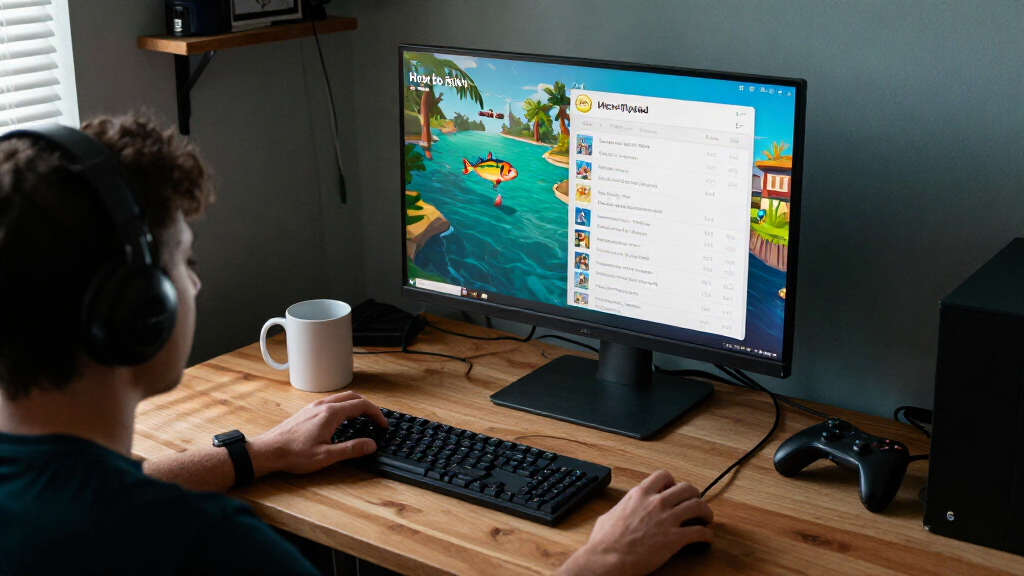
How to Fish has entered a Steam most-played chart, putting the fishing simulator in view of Steam users. The store listing describes a 1–4-player game built around physics-based fishing, quests and combat, but the supplied information does not give the chart position, player count or measurement period.
How to Fish has entered a Steam most-played chart, giving the fishing simulator visibility among players on Valve’s PC storefront. The supplied report links to the game’s Steam store page, but does not state its position, concurrent player count or when the chart appearance was recorded.
Steam’s store page describes How to Fish as a physics-based fishing simulator for one to four players. Its premise begins with players crashing a boat into a small island and trying to find their way home by learning to fish. The listing combines fishing with progression, equipment purchases and combat rather than presenting the game solely as a realistic angling simulation.
Players begin with no gear or weapons, according to the description, and can sell fish to earn money for upgrades. Quests and boss fights lead to new islands with more dangerous creatures and better equipment. The page also lists rare fish variants to collect and trick shots that can earn players more money.
The game includes gambling with fish, which the developers say does not use real money, as well as cartoon violence toward fish. Steam lists English, French, Italian, German and Spanish among its supported languages and says 16 languages are available overall. The chart report does not explain whether the listing refers to a global chart, a regional chart or a particular ranking threshold.
Chart Appearance Brings New Visibility
An appearance on a Steam most-played chart can put a game in front of people browsing beyond its store page, drawing attention to a release that might otherwise be harder to discover. For How to Fish, the chart mention signals that it reached a level of activity recognized by the report, though the available information is not detailed enough to measure the scale of that attention.
The game’s mix of cooperative play, fishing, combat and progression also distinguishes its pitch from a straightforward fishing game. Whether players are drawn by the multiplayer format, the comic premise or the collection and upgrade systems cannot be established from the listing alone. No sales figures, reviews or player feedback are included in the source material, so the chart appearance should not be treated as evidence of broader commercial success or player sentiment.
Products Worth Considering

DJI Mini 5 Pro Fly More Combo Plus with DJI RC 2

LG 34GX90SA-W 34-inch Ultragear WQHD OLED Curved Gaming Monitor

LG UltraGear 32GX850A-B 32-Inch 4K UHD Glossy OLED Gaming Monitor
As an affiliate, we earn on qualifying purchases.
A Fishing Game With Combat Progression
The Steam page positions How to Fish as a 1–4-player experience with a deliberately unusual setup: after a boating accident strands players, fishing becomes the route toward getting home. Its listed activities include catching and selling fish, taking quests, fighting bosses and traveling to additional islands.
The developers’ content description says the game features cartoon violence toward fish and gambling involving fish, with no real money involved. Steam lists Windows 10 or later as the minimum operating system and calls for 8 GB of memory, a compatible graphics card and a broadband internet connection. These details describe the store listing; they do not establish the game’s performance or current player activity.
“This game includes cartoon violence towards fish and gambling with fish (no real money).”
— How to Fish developers, via the Steam content description
Rank and Player Counts Not Provided
The report does not give How to Fish’s chart position, the number of players recorded or the time window covered. It also does not identify the chart’s region or say whether the appearance reflects a peak in concurrent users or another Steam ranking measure. Without those details, the scale and duration of the game’s chart presence remain unclear.
The supplied material provides a store-page description but no direct statement from the developers about the chart appearance, its cause or plans for the game. It also offers no sales data, review totals or player-count history. Those points should not be inferred from the chart mention alone.
Further Chart Data Could Clarify Reach
The next useful details would be a dated chart position, the chart’s geographic scope and any accompanying player-count data. Those figures would show whether How to Fish’s appearance was brief or sustained and provide a clearer measure of its reach on Steam.
For now, readers can check the game’s Steam listing for its current description, supported languages and system requirements. The source material does not announce a developer update, a new release date or another scheduled milestone, so no further development is confirmed.
Key Questions
What happened with How to Fish?
How to Fish appeared on a Steam most-played chart, according to the supplied report. The source does not provide the rank or a date for the chart entry.
How many players can play How to Fish?
The Steam listing describes it as a one-to-four-player physics-based fishing simulator.
What do players do in How to Fish?
The store description lists fishing, selling catches, buying gear, completing quests, fighting bosses and traveling to new islands. It also mentions rare fish variants, trick shots and gambling with fish.
How high did How to Fish rank on Steam?
The supplied source does not state the game’s chart position, player count or the period measured, so its precise ranking cannot be confirmed from this material.
Does the game use real-money gambling?
The developers’ Steam content description says the game includes gambling with fish and no real money.
Source: store.steampowered.com