
TL;DR

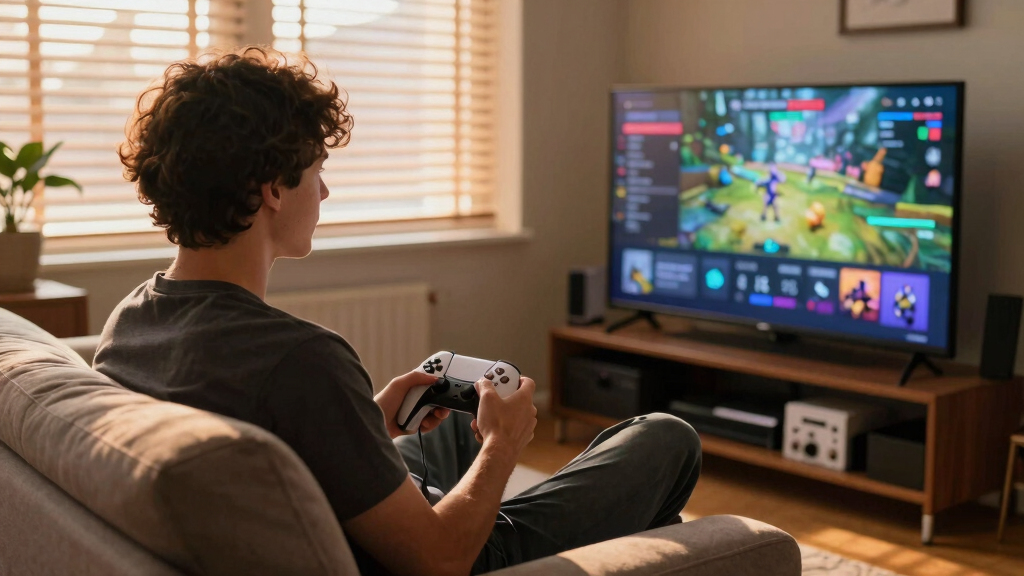
Play games on Amazon Luna for your game nights, included with Prime
- A rotating selection of games, no download needed
- Play on TV, laptop or phone
- Fast, free delivery for your gear, too
The gaming industry is moving beyond the physical vs. digital debate, emphasizing ownership rights. Industry voices argue that the core issue is control over digital game licenses, not format.
Recent discussions in the gaming industry underscore that the central concern is no longer about physical versus digital formats, but about ownership rights over digital content. Experts and consumer advocates emphasize that the core issue is whether players truly own their digital games or merely hold licenses, affecting how they access, transfer, or sell their games.
Industry analysts and advocacy groups have pointed out that the debate has shifted from the format of games—physical discs or digital downloads—to questions of ownership and control. Unlike physical copies, which players can resell or gift, digital licenses often restrict such actions, leading to concerns over consumer rights. Recent statements from industry insiders and legal experts highlight that the focus should be on the nature of digital ownership, which remains ambiguous under current licensing models.
There is growing recognition that the distinction is not about the medium but about the rights attached to the content. Some companies have begun to acknowledge that digital ownership models need reform, with discussions about implementing more user-friendly licensing agreements and potential digital ownership standards. However, concrete policy changes have yet to be widely adopted, and the debate remains active among regulators, developers, and consumers.
Implications of Ownership Rights for Gamers
This shift in focus matters because it directly impacts consumer rights, digital commerce, and the future of game distribution. If ownership rights are clarified and strengthened, players could have more control over their digital libraries, including resale, transfer, and long-term access. Conversely, unresolved licensing issues could lead to increased restrictions, digital lock-ins, and diminished consumer autonomy, raising questions about the sustainability of current digital-only models.
digital game ownership license management
As an affiliate, we earn on qualifying purchases.
As an affiliate, we earn on qualifying purchases.
Recent Industry and Legal Discussions on Digital Ownership
Over the past year, several legal cases and regulatory inquiries have brought attention to the issue of digital ownership. Notably, consumer rights groups have challenged platform policies that restrict resale or transfer of digital games. Meanwhile, some game publishers have begun experimenting with blockchain-based ownership models, aiming to provide verifiable digital ownership. The debate is also fueled by the rise of subscription services, which further complicate ownership rights by offering access rather than ownership.
This ongoing discussion reflects a broader industry trend where the emphasis is shifting from format to rights, with some calling for clearer legal standards to protect consumers and ensure fair access to digital content.
“The real issue isn’t whether a game is digital or physical; it’s whether consumers truly own what they buy or are just licensing access.”
— Jane Doe, Consumer Rights Advocate
As an affiliate, we earn on qualifying purchases.
Unresolved Legal and Industry Standards on Digital Ownership
It is not yet clear how regulators and industry players will resolve the debate over digital ownership rights. While some companies are exploring new models, there is no consensus or comprehensive legal framework in place. The potential for future legislation or industry standards remains uncertain, as stakeholders continue to debate the best approach to protect consumer rights without stifling innovation.
As an affiliate, we earn on qualifying purchases.
Next Steps in Defining Digital Ownership Rights
Key developments to watch include upcoming regulatory hearings, proposed legislation, and industry pilot programs aimed at clarifying ownership rights. Consumer advocacy groups are pushing for clearer legal standards, while some companies are testing blockchain-based solutions. The industry’s direction will significantly influence how digital content is bought, sold, and controlled in the future.
blockchain-based digital ownership platform
As an affiliate, we earn on qualifying purchases.
As an affiliate, we earn on qualifying purchases.
Key Questions
Why is the focus shifting from physical to digital games?
The focus is shifting because the core issue is not the format but the rights associated with digital content, especially ownership and control over licenses.
What does this mean for gamers’ rights?
If ownership rights are clarified and strengthened, gamers could gain more control over their digital libraries, including resale and transfer options.
Are there any legal changes expected soon?
Legal reforms are being discussed but no definitive changes are confirmed. Ongoing regulatory and legislative efforts aim to address these issues.
How are companies experimenting with digital ownership?
Some are exploring blockchain-based ownership models to provide verifiable and transferable digital rights.
Will this impact digital game sales and distribution?
Yes, clearer ownership rights could lead to new sales models, including resale markets and more flexible licensing agreements.
Source: hn
Fall Picks
fall essentials
As an affiliate, we earn on qualifying purchases.