
TL;DR

Play games on Amazon Luna for your game nights, included with Prime
- A rotating selection of games, no download needed
- Play on TV, laptop or phone
- Fast, free delivery for your gear, too
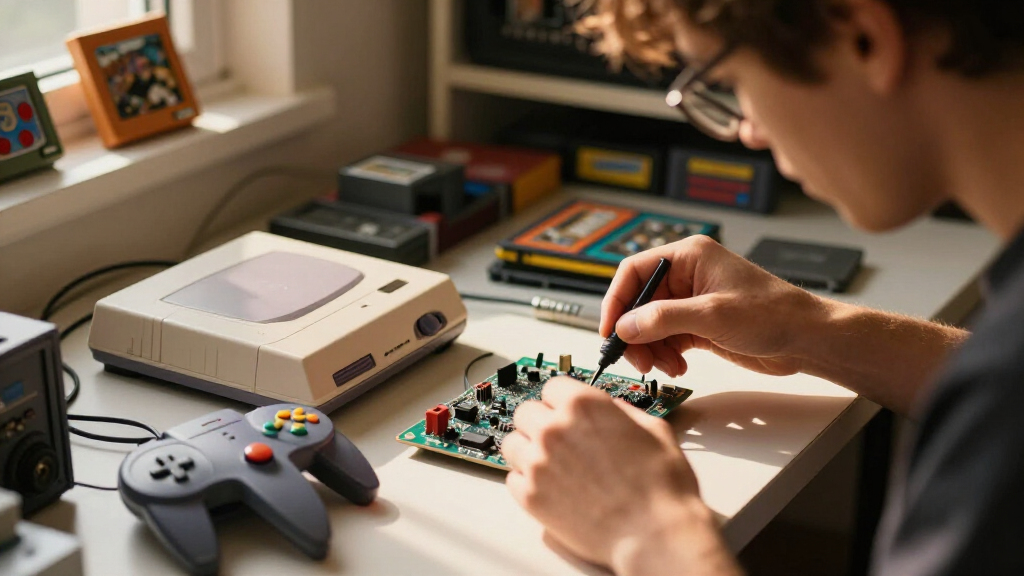
In 2026, developers and hobbyists can now create Nintendo 64 games using new official and community-supported tools. This marks a significant shift in retro game development, opening new possibilities for fans and indie developers.
Nintendo has officially released development tools for creating Nintendo 64 games in 2026, marking a major shift in retro gaming accessibility. This development allows hobbyists, indie developers, and enthusiasts to build new titles for the classic console, which was discontinued over two decades ago.
The company announced the availability of an official Nintendo 64 Software Development Kit (SDK) and emulator compatibility updates during a developer conference in March 2026. Creating new titles for classic consoles can now be more accessible. These tools are designed to simplify the process of game development for the N64, including documentation, libraries, and debugging support. Nintendo has emphasized that the SDK is intended for authorized developers and licensed partners, but community efforts suggest that it may also be accessible to dedicated hobbyists through official channels or partnerships. Prior to this, creating new N64 games was primarily limited to reverse engineering and unofficial emulators, which posed legal and technical challenges. For more on competitive gaming, see Game 3: Odd/Even Total Kills?. The new SDK aims to legitimize and streamline the process, potentially leading to a wave of new titles and homebrew projects. The release coincides with a broader initiative to preserve and celebrate retro gaming history, with Nintendo supporting a curated ecosystem of classic console development. Learn more about game audio design awards and industry recognition.Implications for Retro Gaming and Developer Accessibility
This announcement significantly lowers barriers for creating new Nintendo 64 games, enabling a new generation of developers and hobbyists to produce titles legally and with official support. It could lead to an increase in indie projects, fan remakes, and preservation efforts, revitalizing interest in the console’s library. For Nintendo, it reinforces their commitment to retro gaming and opens potential revenue streams through licensed releases and collaborations. However, the scope of public access to the SDK remains uncertain, which could influence how widespread this development becomes among enthusiasts.Nintendo 64 homebrew development kit
As an affiliate, we earn on qualifying purchases.
As an affiliate, we earn on qualifying purchases.
Background on Nintendo 64 Development and Community Efforts
The Nintendo 64, released in 1996, was discontinued in the early 2000s, with most development now occurring through reverse engineering or unofficial tools. Over the years, dedicated fans and modders created homebrew games, emulators, and development environments, often operating in legal gray areas. Nintendo historically maintained strict control over its development tools, limiting access to licensed partners. The recent announcement in March 2026 marks a departure from this approach, aligning with broader industry trends toward supporting retro gaming communities and preserving classic consoles. This shift follows similar moves by other companies providing official SDKs for older hardware, such as Sega and Sony.“We are excited to support the creative community with official tools to develop for the Nintendo 64, ensuring the legacy continues.”
— Nintendo spokesperson
As an affiliate, we earn on qualifying purchases.
Extent of Public Access and Development Support Unclear
It is not yet confirmed how broadly the SDK will be distributed to the public. Nintendo has indicated it is for authorized developers, but details about licensing, cost, and community access are still emerging. Additionally, the scope of official documentation and technical support remains uncertain, which could influence how easily hobbyists can adopt the tools.As an affiliate, we earn on qualifying purchases.
Next Steps for Developers and Retro Gaming Community
Nintendo is expected to release detailed documentation and licensing information in the coming months. Community groups and indie developers will likely begin experimenting with the SDK, sharing their findings and creating new projects. The industry and fans will watch for official collaborations, potential game releases, and broader access policies, which could shape the future of Nintendo 64 homebrew development. Further updates from Nintendo are anticipated at upcoming gaming and developer conferences.As an affiliate, we earn on qualifying purchases.
Key Questions
Can anyone access the Nintendo 64 SDK now?
It is not yet confirmed if the SDK will be publicly available. Nintendo has stated it is for authorized developers, but community efforts suggest that access may be granted through official partnerships or licensing programs.
Will new Nintendo 64 games be officially released?
There is no official announcement of new licensed titles. However, the SDK enables developers to create new games, which could lead to unofficial or fan-made projects gaining visibility.
What does this mean for existing homebrew projects?
Existing projects may benefit from official support and improved tools, potentially increasing quality and legitimacy. It could also accelerate development and distribution of new titles.
Are there legal concerns with creating new N64 games?
Using official SDKs generally provides legal protection for licensed developers. However, community-created projects may still face legal questions depending on licensing and copyright laws, which are yet to be clarified by Nintendo.
Source: hn
Fall Picks
fall essentials
As an affiliate, we earn on qualifying purchases.