
TL;DR

Play games on Amazon Luna for your game nights, included with Prime
- A rotating selection of games, no download needed
- Play on TV, laptop or phone
- Fast, free delivery for your gear, too
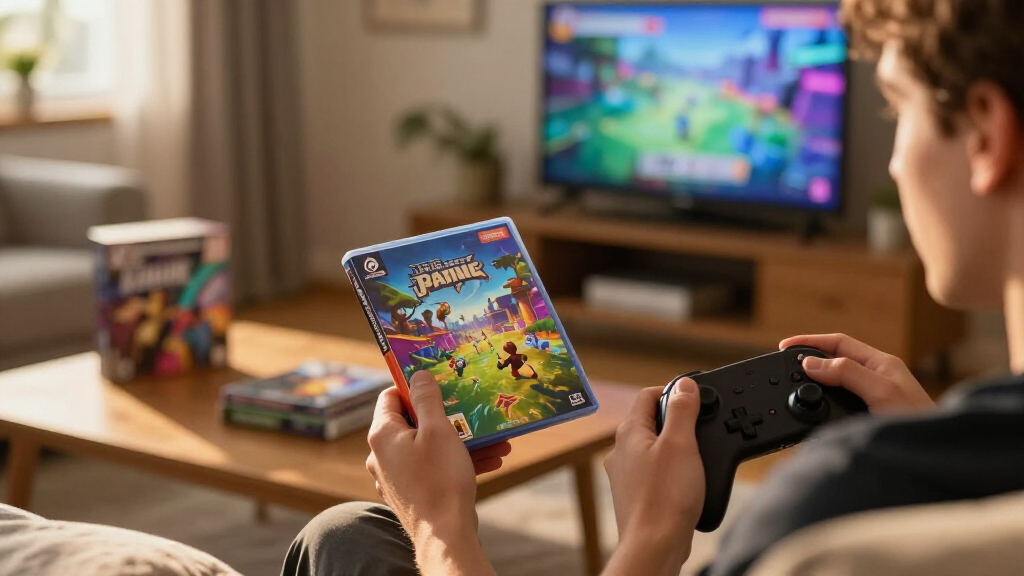
An IGN opinion report argues that PlayStation’s planned end to physical disc production in January 2028 highlights the risks of a digital-only games market. It says discs can be shared and preserve playable versions of games, while digital access may depend on licenses, servers and storefronts. The long-term scope of Sony’s plan and its effects on players remain unclear.
An IGN opinion report argues that PlayStation’s reported plan to end physical disc production in January 2028 makes the limits of digital game ownership more pressing for players. The piece says disc copies can be lent, resold or kept independently of a digital storefront, while access to many digital purchases depends on licensing and publisher or platform systems.
The report contrasts physical copies with digital purchases made through storefronts such as the PlayStation Store and Steam. It describes digital transactions as licenses to access games rather than unconditional ownership, meaning access can be affected by a title’s availability, the operation of online services or other restrictions. The article frames this as a concern about how much control players retain after paying for a game.
It points to delisted games such as Spec Ops: The Line, Deadpool and Resident Evil: Operation Raccoon City, saying physical copies may remain a way to obtain some titles after digital sales stop. The report also argues that a disc can preserve a particular version of a game, including music that may later be removed when licensing agreements expire. These examples illustrate the author’s case for physical media; they do not establish that every disc copy can be played without downloads, updates or online services.
The article also cites figures to explain the industry’s shift: it says digital purchases accounted for 78 of every 100 PlayStation games in the year referenced, compared with 27 in 2016. It reports that consumer spending on physical games was just above $1.5 billion in May of that year, after being just below $6 billion in May 2016. The source describes the newer figure as a 3% year-over-year increase, but the figures alone do not show that Sony’s reported production decision is final or specify which products and markets it covers.
What Players Could Lose With Discs
The central issue is control after purchase. A physical copy can generally be handed to another person or kept after a game leaves a store, while a digital license may rely on continued access to an account, platform or publisher service. That difference matters to players who lend games, collect older releases or want to retain access over many years.
The preservation argument is relevant but has limits. A disc does not necessarily contain every part needed to run a modern game, and online features can still depend on servers. Even so, reducing physical availability could narrow one route to accessing titles no longer sold digitally. If Sony’s reported plan proceeds as described, players may have fewer options for acquiring and sharing new games in disc form.
PlayStation physical game disc storage case
As an affiliate, we earn on qualifying purchases.
As an affiliate, we earn on qualifying purchases.
The Market Shift Behind Sony’s Plan
The report places Sony’s reported move within a broader change in how games are sold. It says digital purchases have become a larger share of PlayStation sales over the past decade, while physical-game spending has fallen substantially from its 2016 level. The article also mentions Nintendo’s game-key cards for Switch 2 and Xbox’s emphasis on Game Pass as examples of different approaches to a market increasingly shaped by digital delivery and subscriptions.
It further cites reports that the next PlayStation’s manufacturing costs could approach $1,000 and quotes PlayStation head Hideaki Nishino saying it is “not realistic” for Sony to absorb rising component costs. The source presents a digital-only console as one possible way to reduce hardware costs, but does not establish that this is Sony’s confirmed plan for the PS6.
““There’s a misconception amongst players that once you’ve bought a digital game, you own it. You don’t.””
— The IGN article’s author
game preservation external hard drive
As an affiliate, we earn on qualifying purchases.
As an affiliate, we earn on qualifying purchases.
Details of the Disc Plan
The source reports an end to physical disc production in January 2028, but the material provided does not include a Sony statement confirming the decision or spell out its scope. It is unclear whether the plan concerns game discs, other disc products, particular regions or a specific production arrangement. The article’s figures and its interpretation of market trends do not resolve those questions.
It is also unclear how a future hardware change would affect existing PlayStation consoles, the availability of boxed games from other publishers or access to titles already purchased. The report’s broader warning about digital licenses is an argument about possible risks; it does not show that Sony has announced plans to revoke players’ existing purchases.
As an affiliate, we earn on qualifying purchases.
Watch for Sony’s Clarification
The next useful development would be a direct statement from Sony clarifying whether disc production will end in January 2028 and what products or markets would be affected. Until then, the report’s date and scope should be treated as claims in the source material rather than a fully detailed corporate announcement.
Players will also need more information about the next console’s format, pricing and compatibility before drawing conclusions about how physical games will be supported. For now, the article’s case is a broader one: if access to a game depends on digital services, players may have less control over lending, resale and long-term access than they do with a disc.
As an affiliate, we earn on qualifying purchases.
Key Questions
What is the main development discussed?
The IGN opinion report says PlayStation plans to end physical disc production in January 2028. The source material provided does not include a Sony announcement spelling out the plan’s scope.
Does buying a digital game mean it can never be taken away?
The article argues that digital purchases are often licenses governed by platform and publisher terms, rather than fully independent copies. The exact rights and offline access can vary by game, storefront and service.
Why does the report say physical games matter?
It says discs can be lent, retained and used to access some delisted games. It also argues that discs can preserve versions with original licensed music, though discs may still require updates or online services.
Has Sony confirmed a digital-only PS6?
No such confirmation appears in the supplied material. The article presents a digital-only console as a possible response to hardware costs, not as an announced Sony decision.
What remains unknown about the 2028 date?
The source does not clarify which discs or markets the reported production change covers, or how it would affect existing consoles and boxed-game availability. A direct Sony statement would be needed to settle those details.
Source: fediverse
Fall Picks
fall essentials
As an affiliate, we earn on qualifying purchases.