
TL;DR

Play games on Amazon Luna for your game nights, included with Prime
- A rotating selection of games, no download needed
- Play on TV, laptop or phone
- Fast, free delivery for your gear, too
ScabShack has published a nostalgic essay calling for a return to the distinctive save-file screens of sixth-generation consoles. The piece recalls the Dreamcast, GameCube, PlayStation 2 and original Xbox, but reports no announced feature, product change or industry move to bring those screens back.
ScabShack has published an essay urging game makers to bring back the distinctive save-file screens of the Dreamcast, GameCube, PlayStation 2 and original Xbox. The piece is a nostalgic argument for more expressive console interfaces, not an announcement of a new feature or a confirmed change by any platform maker.
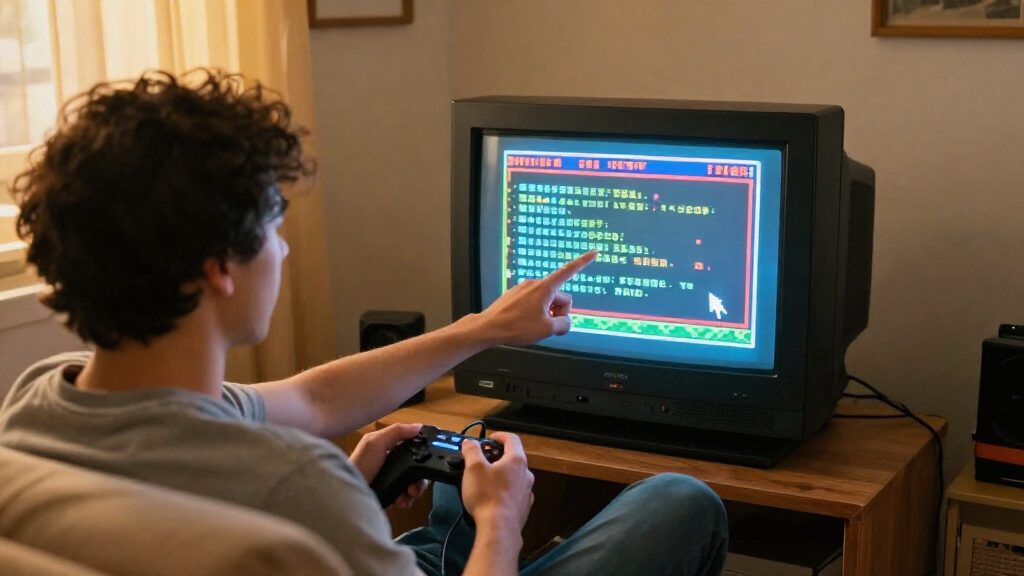
Written by Aaron, the essay recalls how players on several sixth-generation consoles managed saves through system menus, often using separate memory cards. Instead of treating each save as plain data, those menus represented games with small illustrations, icons or 3D models. The author says the visual details made it enjoyable to browse, copy or delete saves—and sometimes worth keeping a file even after no longer owning the game.
The examples vary by console. The Dreamcast showed save icons against a background of rippling water and clouds, while the GameCube displayed floating cubes over a dark grid. The PlayStation 2 used a grid of 3D models or blocks, with examples including a Dragon Quest 8 slime, Sonic’s character model and God of War’s Blades of Chaos. The original Xbox, which the essay notes had an internal hard drive, used round save icons in its distinctive green interface.
The essay also points to the Dreamcast’s VMU memory card as more than a storage device. It says games could use the VMU as a second screen, and that downloadable minigames tied to titles such as Sonic Adventure 2 and Zombie Revenge gave players additional activities. These details support the author’s broader case that save management once had its own visual and sometimes playable identity.
The essay focuses on a small part of console design that players still encountered while managing games, rather than during play itself. Its point is that save files could feel connected to the game: a recognizable character or object made a file easier to identify and gave the system menu a personality of its own.
That perspective matters to readers interested in interface design and gaming history because it treats routine system screens as part of the play experience. The author contrasts those older displays with today’s use of game cover art, which the essay calls acceptable but less distinctive. This is an argument about what players may value, not evidence that current interfaces are changing or that all players prefer older menus.
Sega Dreamcast console with VMU visual memory unit
As an affiliate, we earn on qualifying purchases.
As an affiliate, we earn on qualifying purchases.
Four Consoles, Four Save Displays
The essay looks back at the sixth generation of home consoles, naming the Dreamcast, GameCube, PlayStation 2 and original Xbox. Their save-management systems differed in both storage and presentation: the source says players generally used separate memory cards on the Dreamcast, GameCube and PS2, while the Xbox included a hard drive. Each console’s menu gave saved data a visual setting or marker that reflected its broader interface style.
ScabShack’s piece is a personal retrospective, not a technical comparison or a survey of player opinion. Its descriptions and examples establish what the author remembers and values; they do not show how common those preferences are among players today. The central proposal—bringing back more distinctive save-file presentations—is an editorial appeal rather than a reported industry initiative.
“Sometimes I wish we still had these small treasures buried inside of our memory cards or devices.”
— Aaron, author of the ScabShack essay
As an affiliate, we earn on qualifying purchases.
No Platform Change Announced
The source provides no announcement from a console maker, developer or publisher about reviving these screens. It also gives no publication date, reader survey, market research or evidence that a broader campaign is underway. The appeal reflects the author’s personal view; whether other players want similar designs, or whether any current platform is considering them, is not established by the report.
The essay does not specify how a modern version would work across current consoles or whether it would use custom game-specific models, icons or other artwork. Those remain proposals rather than confirmed plans.
Nintendo GameCube console memory card
As an affiliate, we earn on qualifying purchases.
As an affiliate, we earn on qualifying purchases.
A Design Appeal, Not a Rollout
For now, the development is the publication of ScabShack’s essay; it names no follow-up event, product launch or response from a platform holder. Readers can treat the call to bring back elaborate save screens as a prompt for discussion about console interface design, not as news of an upcoming system update.
Any concrete next step would require a developer or console maker to announce a feature or design change. No such announcement is included in the source material, so there is no confirmed timeline or milestone to report.
As an affiliate, we earn on qualifying purchases.
Key Questions
Is a console maker bringing back the old save-file screens?
No such announcement appears in the source. The article is an opinion essay, not a report of a confirmed product change.
Which consoles does the essay discuss?
It recalls the Dreamcast, GameCube, PlayStation 2 and original Xbox, describing a different save-menu style for each.
What made the older save screens distinctive?
They used game-related icons, images or 3D models against console-specific menu designs, rather than relying only on game cover art.
What was special about the Dreamcast VMU?
The essay says the VMU could act as a second screen in some games and could receive minigames connected to titles such as Sonic Adventure 2 and Zombie Revenge.
Does the essay show that players broadly want these screens back?
No. It presents the author’s preference and does not cite a survey or other evidence measuring player opinion.
Source: hn
Halloween Picks
halloween
As an affiliate, we earn on qualifying purchases.