
When searching for the best gaming CPUs, the main challenge lies in balancing raw performance, cost, and future-proofing. The Intel Core i9-12900KF stands out as the overall top pick for its outstanding gaming and multitasking performance. The AMD Ryzen 7 7800X3D offers incredible gaming efficiency thanks to its 3D V-Cache technology, making it a strong choice for gamers seeking high frame rates. Meanwhile, options like the Intel Core i7-12700K provide a more budget-friendly yet capable solution. The main tradeoffs involve choosing between raw power, price, and compatibility—more expensive models tend to offer better longevity but can be overkill for casual gamers. Continue reading for a detailed breakdown of these options and what suits different gaming setups.

Play games on Amazon Luna for your game nights, included with Prime
- A rotating selection of games, no download needed
- Play on TV, laptop or phone
- Fast, free delivery for your gear, too
Complete the kit


Key Takeaways
- High core counts, especially 12 or more, significantly improve gaming performance in modern titles.
- Intel’s Alder Lake chips lead in raw gaming power, but AMD’s 3D V-Cache processors excel in frame rates at a better value.
- Price-to-performance ratios vary; premium CPUs deliver top-tier performance but may be unnecessary for casual gamers.
- Compatibility and motherboard choice heavily influence upgrade paths and overall system cost.
- Future-proofing depends on selecting CPUs with support for DDR5 RAM and PCIe 5.0, which some models now include.
| Intel Core i9-12900KF Gaming Desktop Processor |  | Best Overall Gaming CPU | Cores: 16 (8P+8E) | Base Clock: up to 5.2 GHz | Socket: LGA-1700 | VIEW LATEST PRICE | See Our Full Breakdown |
| AMD Ryzen 7 9800X3D 8-Core, 16-Thread Desktop Processor |  | Best for Gaming and Productivity Balance | Processor Series: Ryzen 7 | Processor Speed: 4.7 GHz | Processor Socket: Socket AM5 | VIEW LATEST PRICE | See Our Full Breakdown |
| AMD Ryzen 7 9850X3D Desktop Processor |  | Best for Maximum Gaming Speed | Processor Series: Unknown | Processor Speed: up to 5.7 GHz | Processor Socket: Socket AM5 | VIEW LATEST PRICE | See Our Full Breakdown |
| Intel Core i9-12900K Gaming Desktop Processor with Integrated Graphics |  | Best Premium Gaming CPU with Integrated Graphics | Processor Series: Core i9 | Processor Speed: 3.2 GHz | Processor Socket: LGA 1700 | VIEW LATEST PRICE | See Our Full Breakdown |
| AMD Ryzen 9 9950X3D 16-Core Processor | 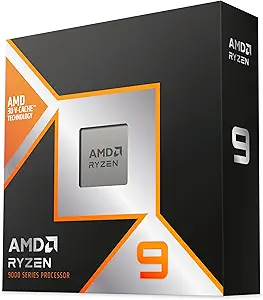 | Best for High-End Gaming & Content Creation | Processor Series: Unknown | Processor Speed: up to 5.7 GHz | Processor Socket: Socket AM5 | VIEW LATEST PRICE | See Our Full Breakdown |
| AMD Ryzen 9 5900XT 16-Core, 32-Thread Desktop Processor |  | Best Overall for Gaming and Content Creation | Cores: 16 | Threads: 32 | Max Boost Clock: 4.8 GHz | VIEW LATEST PRICE | See Our Full Breakdown |
| AMD Ryzen 5 5500 6-Core Desktop Processor with Wraith Stealth Cooler |  | Best Budget Gaming CPU | Cores: 6 | Threads: 12 | Max Boost Clock: 4.2 GHz | VIEW LATEST PRICE | See Our Full Breakdown |
| AMD Ryzen 9 5900X 12-Core Desktop Processor |  | Best for High-End Gaming and Heavy Multitasking | Cores: 12 | Threads: 24 | Base Clock: 3.7 GHz | VIEW LATEST PRICE | See Our Full Breakdown |
| AMD Ryzen 7 7800X3D 8-Core, 16-Thread Desktop Processor |  | Best for Gaming with Large Cache Advantage | Cores: 8 | Threads: 16 | Base Clock: 4.2 GHz | VIEW LATEST PRICE | See Our Full Breakdown |
| Intel Core i7-12700K Gaming Desktop Processor with Integrated Graphics, 12 Cores (8P+4E), up to 5.0 GHz, Unlocked, LGA1700 |  | Best Overall for High-Performance Gaming | Cores: 12 (8 Performance + 4 Efficiency) | Base Clock: 3.60 GHz | Max Turbo Frequency: 5.0 GHz | VIEW LATEST PRICE | See Our Full Breakdown |
| gaming CPU | Cores | Socket | Cache | Threads |
|---|---|---|---|---|
| Intel Core i9-12900KF Gaming D | 16 (8P+8E) | LGA-1700 | 30 MB L3 | — |
| AMD Ryzen 7 9800X3D 8-Core | — | — | — | — |
| AMD Ryzen 7 9850X3D Desktop Pr | — | — | — | — |
| Intel Core i9-12900K Gaming De | — | — | — | 24 |
| AMD Ryzen 9 9950X3D 16-Core Pr | — | — | — | — |
| AMD Ryzen 9 5900XT 16-Core | 16 | AM4 | 72 MB | 32 |
| AMD Ryzen 5 5500 6-Core Deskto | 6 | AM4 | 19 MB | 12 |
| AMD Ryzen 9 5900X 12-Core Desk | 12 | AM4 | 70 MB | 24 |
| AMD Ryzen 7 7800X3D 8-Core | 8 | AM5 | 96 MB L3 | 16 |
| Intel Core i7-12700K Gaming De | 12 (8 Performance + 4 Efficiency) | LGA1700 | 25 MB L3 | — |
More Details on Our Top Picks
Intel Core i9-12900KF Gaming Desktop Processor
The Intel Core i9-12900KF stands out as the best overall choice for serious gamers who want top-tier performance without compromise. Its 16 cores (8P+8E) and up to 5.2 GHz clock speed provide exceptional multitasking ability and fast frame rates. Unlike the AMD Ryzen 7 9800X3D, which is optimized for gaming with its cache technology, the 12900KF offers broader versatility for multitasking and productivity, though it demands a compatible LGA-1700 motherboard and consumes more power at 125W. The integrated graphics are absent, so a discrete GPU is necessary, but this is typical for high-end gaming setups. Compared to the Core i9-12900K, the 12900KF is slightly less expensive, yet still offers excellent performance for gaming and streaming. It’s ideal for gamers who want a future-proof, high-performance platform, but those on a tighter budget or seeking integrated graphics might consider alternatives.
Pros:- Exceptional performance with up to 5.2 GHz speed
- Supports multitasking and demanding gaming with 16 cores
- Power-efficient architecture at 125W
Cons:- Requires a compatible high-end motherboard (600/700 series)
- No integrated graphics, necessitating a discrete GPU
- Higher power consumption compared to lower-tier options
Best for: High-end gamers looking for maximum performance and future-proofing with flexibility for multitasking.
Not ideal for: Budget-conscious buyers or those needing integrated graphics for casual gaming or simple setups.
- Cores:16 (8P+8E)
- Base Clock:up to 5.2 GHz
- Socket:LGA-1700
- Cache:30 MB L3
- Power Consumption:125W
- Architecture:Intel 7
- Process Node:10 nm
Our verdict“This CPU is best suited for gamers who demand top-tier performance and are prepared for a high-end setup.”
AMD Ryzen 7 9800X3D 8-Core, 16-Thread Desktop Processor
The AMD Ryzen 7 9800X3D offers a compelling balance of gaming and productivity power, thanks to its 8 cores, 16 threads, and 5.2 GHz boost speed. Unlike the AMD Ryzen 7 9850X3D, which emphasizes high clock speeds and cache for gaming, the 9800X3D’s 3D V-Cache technology enhances gaming performance through larger cache, making it a strong contender for gamers who also do content creation. It requires a compatible Socket AM5 motherboard and an external cooler, adding to setup costs, but benefits from AMD’s efficiency improvements. While the Ryzen 7 9850X3D may edge out in raw speed, the 9800X3D’s thermal performance and versatile design make it suitable for users who want solid gaming performance with some multitasking capability. This CPU makes the most sense for gamers who need a balanced system for both gaming and light productivity without the premium price of the latest chips.
Pros:- Great balance of gaming and productivity with 8 cores and 16 threads
- Boosts up to 5.2 GHz for fast gaming performance
- Enhanced 3D V-Cache technology improves speed and efficiency
Cons:- Requires a new AM5 motherboard and external cooling
- Higher wattage (140W) may demand robust cooling solutions
- Limited detailed specifications available
Best for: Gamers who want strong gaming performance combined with multitasking ability at a reasonable price point.
Not ideal for: Users seeking the absolute highest speeds or integrated graphics, as cooling and motherboard costs are additional.
- Processor Series:Ryzen 7
- Processor Speed:4.7 GHz
- Processor Socket:Socket AM5
- Secondary Cache:8 MB
- Wattage:140 watts
- Cache Memory Installed Size:96 MB
Our verdict“This CPU is ideal for gamers seeking a balanced platform that handles demanding titles and multitasking well.”
AMD Ryzen 7 9850X3D Desktop Processor
The AMD Ryzen 7 9850X3D stands out for its focus on gaming performance, thanks to cutting-edge 3D V-Cache technology that significantly boosts cache size. While detailed specs are limited, its maximum boost clock of up to 5.7 GHz rivals top-tier gaming CPUs, making it a prime choice for enthusiasts chasing every frame. Compared with the Ryzen 7 9800X3D, the 9850X3D’s higher clock speeds and cache enhancements translate into better gaming performance, although this model may have limited availability or higher price. Its use of AMD’s latest cache tech offers improved speed for gaming but may not match the raw multitasking power of higher core count CPUs like the Ryzen 9 9950X3D. This CPU is best for gamers who prioritize frame rates and cache-driven speed over multitasking or productivity features.
Pros:- Exceptional gaming speeds with up to 5.7 GHz boost
- Enhanced 3D V-Cache technology boosts cache and speed
- Focuses on gaming performance with high clock speeds
Cons:- Limited detailed specifications available
- Potentially higher cost and limited availability
- Not optimized for heavy multitasking or productivity
Best for: Gamers seeking maximum in-game speed with cache-enhanced technology for demanding titles.
Not ideal for: Multitasking or content creation tasks—its limited detailed specs suggest a focus on gaming rather than versatility.
- Processor Series:Unknown
- Processor Speed:up to 5.7 GHz
- Processor Socket:Socket AM5
- Secondary Cache:16 MB
- Wattage:170 watts
- Cache Memory Installed Size:144 MB
Our verdict“This CPU is best suited for gamers who want the fastest possible frame rates and cache benefits at a premium price.”
Intel Core i9-12900K Gaming Desktop Processor with Integrated Graphics
The Intel Core i9-12900K offers a premium option for gamers who want both raw power and integrated graphics, making it a versatile choice. Its 16 cores and up to 5.2 GHz boost deliver outstanding performance in gaming and multitasking, and the integrated Intel UHD 770 graphics add value for those who prefer not to buy a separate GPU initially. Unlike the 12900KF, which lacks integrated graphics, the 12900K combines high-end gaming speed with the convenience of integrated visuals, although at a higher price point. It’s best for gamers who want a ready-to-go high-performance setup or plan to upgrade their GPU later. The high power consumption at 125W and premium cost might deter budget builders or those with existing GPU solutions.
Pros:- High core and thread count for multitasking and gaming
- Integrated Intel UHD 770 graphics for immersive visuals
- Unlocked for overclocking and high performance
Cons:- Requires a compatible high-end motherboard (LGA 1700)
- High power consumption at 125W
- Premium price point
Best for: Gamers who want a high-performance CPU with integrated graphics for flexible, high-end gaming setups.
Not ideal for: Budget builders or users who already own a discrete GPU, as the integrated graphics may be unnecessary and the price premium high.
- Processor Series:Core i9
- Processor Speed:3.2 GHz
- Processor Socket:LGA 1700
- Secondary Cache:12 MB
- Wattage:125W
- Cache Memory:30 MB
- Threads:24
Our verdict“This CPU suits gamers who want top performance with the convenience of integrated graphics and are willing to pay a premium.”
AMD Ryzen 9 9950X3D 16-Core Processor
The AMD Ryzen 9 9950X3D pushes the envelope with 16 cores and a max boost clock of 5.7 GHz, making it an excellent choice for gamers who also handle demanding content creation. Its 3D V-Cache technology enhances speed and efficiency, similar to the Ryzen 7 9850X3D, but with more cores suited for multitasking and heavy workloads. Compared to the Intel Core i9-12900K, the 9950X3D’s higher core count and cache technology make it particularly appealing for multi-threaded tasks and gaming alike. The 170W power draw indicates a need for robust cooling, and limited detailed specs suggest it’s targeted at enthusiasts with high-end cooling solutions. This CPU is best for users who want a versatile powerhouse capable of handling gaming and content production without compromise.
Pros:- Exceptional 16-core, 16-thread processing power
- Maximum boost clock of up to 5.7 GHz
- Advanced 3D V-Cache™ technology enhances speed and efficiency
Cons:- Requires robust cooling solutions due to 170W power draw
- Limited detailed specifications available
- Higher price point likely
Best for: High-end gamers and content creators who need maximum cores and speed for demanding tasks.
Not ideal for: Budget-conscious buyers or those seeking a CPU with detailed specifications and lower power requirements.
- Processor Series:Unknown
- Processor Speed:up to 5.7 GHz
- Processor Socket:Socket AM5
- Secondary Cache:16 MB
- Wattage:170 watts
- Cache Memory Installed Size:144 MB
- Core Count:16
Our verdict“This CPU is ideal for users demanding maximum cores and speed for both gaming and content creation at the highest levels.”
AMD Ryzen 9 5900XT 16-Core, 32-Thread Desktop Processor
The AMD Ryzen 9 5900XT stands out for its massive core and thread count, making it an excellent choice for gamers who also dabble in content creation or streaming. Compared with the Ryzen 9 5900X, it offers slightly higher boost clocks but requires a dedicated cooler, which adds to the overall cost. Its support for PCIe 4.0 means faster data transfer, benefiting high-end GPUs and SSDs. The unlocked multiplier allows overclocking, but the absence of a bundled cooler means additional investment. This processor is best suited for enthusiasts who want top-tier performance, but it demands a compatible AM4 motherboard and cooling solution.
Pros:- Exceptional core and thread count for multitasking and demanding games
- High boost clock of 4.8 GHz accelerates gaming performance
- Supports PCIe 4.0 for faster data transfer
Cons:- Cooler sold separately, increasing overall cost
- Requires a compatible AM4 motherboard, limiting upgrade options
Best for: Power users who want a versatile CPU for high-end gaming and content creation on AMD platforms
Not ideal for: Budget builders or those seeking a plug-and-play solution, due to needing a cooler and compatible motherboard
- Cores:16
- Threads:32
- Max Boost Clock:4.8 GHz
- Cache:72 MB
- Memory Support:DDR4-3200
- Socket:AM4
- PCIe Support:4.0
- Cooler Included:No
Our verdict“This CPU is ideal for enthusiasts who want maximum performance without compromise, provided they can handle the additional cooling and platform costs.”
AMD Ryzen 5 5500 6-Core Desktop Processor with Wraith Stealth Cooler
The Ryzen 5 5500 offers solid gaming performance for budget-conscious gamers, thanks to its 6 cores and 12 threads, which are enough for most modern titles. Compared with the Ryzen 5 9600X, it includes a Wraith Stealth cooler, making it easier to build without additional cooling costs, though it generally runs at slightly lower boost clocks. While it supports DDR4-3200 memory, it can’t match the multi-core power of higher-end chips like the Ryzen 9 5900X. This CPU is best for gamers on a tight budget who want decent gaming performance without sacrificing too much multitasking ability. However, it needs a discrete GPU for gaming, and the platform is limited to AMD’s AM4 socket, which may restrict future upgrades.
Pros:- Includes a Wraith Stealth cooler, reducing initial costs
- Unlocked for overclocking, offering some performance headroom
- Good performance for the price in mainstream gaming
Cons:- Requires a discrete graphics card for gaming performance
- Limited to AMD’s AM4 platform, restricting future upgrades
Best for: Casual gamers or budget builders aiming for smooth 1080p gaming and upgrade ease
Not ideal for: Power users or streamers who need higher core counts for multitasking or content creation
- Cores:6
- Threads:12
- Max Boost Clock:4.2 GHz
- Cache:19 MB
- Memory Support:DDR4-3200
- Socket:AM4
- Cooler:Wraith Stealth
Our verdict“This CPU provides reliable gaming performance at a budget-friendly price, ideal for entry-level or casual gaming setups.”
AMD Ryzen 9 5900X 12-Core Desktop Processor
The Ryzen 9 5900X is a favorite among gamers who also need robust multitasking capabilities, thanks to its 12 cores and 24 threads. It outperforms the Ryzen 7 5800X in multi-core workloads, but for pure gaming, they are quite comparable. Its 4.8 GHz boost clock makes it excellent for fast-paced titles, yet it consumes more power and requires a high-quality cooling solution. Compared to the Ryzen 5 5500, it provides significantly greater processing headroom but at a higher price and platform complexity. This CPU fits users who want a versatile, future-proof platform for gaming, streaming, and productivity, although it demands a compatible motherboard and proper cooling setup.
Pros:- High core and thread count for multitasking and demanding games
- Supports PCIe 4.0 for fast storage and GPU data transfer
- Unlocked for overclocking, boosting performance potential
Cons:- Higher power consumption requiring robust cooling
- Requires a compatible AM4 motherboard, limiting upgrade options
Best for: Gamers who want a balance of high gaming performance and multitasking power
Not ideal for: Budget gamers or those with limited space for advanced cooling solutions
- Cores:12
- Threads:24
- Base Clock:3.7 GHz
- Max Boost Clock:4.8 GHz
- Cache:70 MB
- Socket:AM4
- Process:7nm
- Unlocked:Yes
Our verdict“This CPU is perfect for gamers seeking a flexible platform that excels in both gaming and multitasking, provided they have adequate cooling and the budget for a high-end platform.”
AMD Ryzen 7 7800X3D 8-Core, 16-Thread Desktop Processor
The Ryzen 7 7800X3D offers a unique edge for gaming thanks to its massive 96 MB L3 cache, which significantly boosts performance in titles sensitive to cache size. Built on 5nm technology, it provides excellent efficiency and a high base clock of 4.2 GHz. Unlike other CPUs here, it features integrated Radeon Graphics, making it more versatile for systems without dedicated GPUs. Compared with the Ryzen 9 5900XT or Ryzen 9 5900X, it doesn’t match in core count but compensates with its cache size for faster game load times and smoother gameplay. Its compatibility details are less clear, and it lacks a specified cooling solution, so potential buyers should verify their platform readiness. This CPU is ideal for gamers seeking top-tier gaming performance with minimal latency.
Pros:- Enormous 96 MB L3 cache enhances gaming performance
- Fast 4.2 GHz base clock for quick task execution
- Built on efficient 5nm process technology
Cons:- Limited details on cooling and motherboard compatibility
- Lacks the core count for heavy multitasking or content creation
Best for: Gaming enthusiasts focused on the best possible frame rates in cache-sensitive titles
Not ideal for: Content creators or multitaskers needing high core counts for productivity
- Cores:8
- Threads:16
- Base Clock:4.2 GHz
- Cache:96 MB L3
- Memory Support:DDR5-5600
- Socket:AM5
- Graphics:AMD Radeon Graphics
Our verdict“This processor excels in gaming scenarios where cache size impacts performance, ideal for gamers prioritizing frame rates over multi-core power.”
Intel Core i7-12700K Gaming Desktop Processor with Integrated Graphics, 12 Cores (8P+4E), up to 5.0 GHz, Unlocked, LGA1700
The Intel Core i7-12700K stands out for its hybrid architecture combining 8 performance cores and 4 efficiency cores, delivering a balanced mix of raw power and multitasking capabilities. Compared with the AMD Ryzen 7 7800X3D, which excels in gaming due to its 3D V-Cache, the 12700K offers superior versatility in multitasking and streaming, thanks to its high core count and integrated graphics. While the integrated Intel UHD 770 graphics are sufficient for casual gaming, they fall short of dedicated GPUs’ performance, making this CPU ideal for gamers who also need productivity power. The unlocked nature allows overclocking for extra performance, but this increases power draw and heat output. It requires a compatible LGA1700 motherboard, adding to build complexity and cost. The 125W TDP reflects good efficiency but demands robust cooling solutions, especially when overclocked. Overall, this pick makes the most sense for gamers seeking a well-rounded CPU that can handle gaming, streaming, and light content creation without breaking the bank.
Pros:- Hybrid architecture with 12 cores for multitasking and gaming
- Unlocked for overclocking to boost performance
- Integrated Intel UHD 770 graphics suitable for casual gaming
- Power-efficient with improved performance per watt
Cons:- Requires a costly LGA1700 motherboard for compatibility
- High power consumption at 125W can demand robust cooling
- Overkill for purely casual or light gaming users
Best for: Enthusiast gamers who want a versatile CPU capable of gaming and multitasking with overclocking potential
Not ideal for: Casual gamers or users seeking a dedicated GPU performance boost, as integrated graphics are limited for serious gaming
- Cores:12 (8 Performance + 4 Efficiency)
- Base Clock:3.60 GHz
- Max Turbo Frequency:5.0 GHz
- Socket:LGA1700
- Integrated Graphics:Intel UHD 770
- Cache:25 MB L3
- Thermal Design Power:125W
- Architecture:Intel 7
Our verdict“This CPU offers a balanced blend of high performance and versatility, ideal for gamers who also do productivity workloads.”
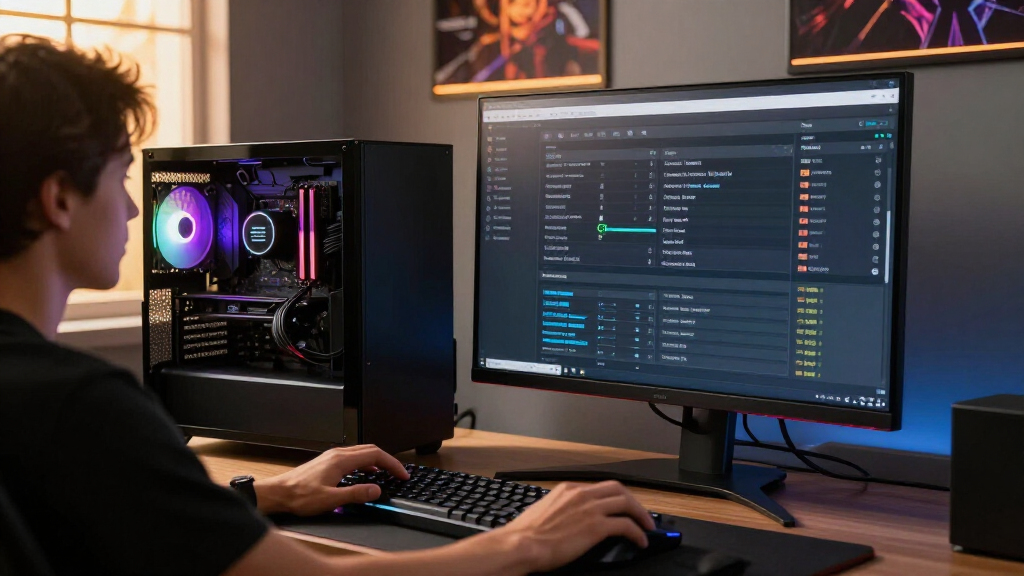
How We Picked
Our evaluation focused on performance benchmarks in popular gaming titles, considering both frame rates and latency. We prioritized processors with high single-core performance, as many games rely on fewer cores but benefit from faster clocks. Build quality, thermal efficiency, and overclocking capabilities also played roles, alongside value for money and future upgrade potential. The ranking reflects a mix of raw power, cost-effectiveness, and compatibility with current and upcoming hardware standards, ensuring each option serves a specific type of gamer—from casual to enthusiast.Factors to Consider When Choosing Best Gaming CPUs
Choosing the best gaming CPU involves more than just raw speed. Factors like core count, architecture, and compatibility shape how well a processor performs and integrates into your system. Understanding these considerations helps avoid common pitfalls, such as overpaying for features you don’t need or selecting outdated platforms that limit future upgrades. Here are key points to keep in mind when selecting your ideal gaming CPU.Performance and Core Count
Most modern games benefit from higher clock speeds and more cores, but the importance varies depending on the title. For gaming, high single-core performance remains critical, as many engines prioritize faster cores over sheer core number. However, newer titles are increasingly optimized for multi-core setups, making processors with 8 to 16 cores a good balance. Overspending on extremely high core counts might yield diminishing returns unless you plan to stream or do heavy multitasking alongside gaming.
Compatibility and Platform
Matching your CPU with a compatible motherboard is essential. Intel’s 12th and 13th Gen chips require LGA 1700 sockets, while AMD’s latest Ryzen chips use AM5 or AM4 sockets. Investing in a newer socket can ensure future upgrade paths but may require higher initial costs. Compatibility with DDR5 RAM and PCIe 5.0 standards can also influence system longevity and performance, especially if you aim to build a future-proof gaming PC.
Price-to-Performance Ratio
Premium CPUs offer exceptional performance but often come with a steep price. For most gamers, balancing cost and power is key; mid-range processors like the Ryzen 7 7800X3D or Intel Core i7-12700K deliver excellent gaming without breaking the bank. Beware of over-investing in high-end CPUs if your gaming only involves less demanding titles, as the performance gains might not justify the expense.
Overclocking and Cooling
If you plan to push your CPU beyond stock speeds, ensure your motherboard and cooling solution are adequate. Overclocking can boost frame rates but increases heat output and power consumption. Not all CPUs are unlocked, so check whether the processor supports overclocking before making a purchase. Efficient cooling solutions are vital to maintain stability and performance during extended gaming sessions.
Future-Proofing Features
Features like support for DDR5 RAM, PCIe 5.0, and integrated graphics can extend your system’s relevance. While cutting-edge features often come at a premium, they help ensure your system remains capable as software requirements evolve. Consider what your long-term needs are, especially if you plan to upgrade components periodically rather than replacing the entire build.
Frequently Asked Questions
Is it worth paying extra for a high-core-count CPU for gaming?
Generally, for gaming alone, higher core counts provide limited benefits compared to high single-core performance. Most titles are optimized for fewer cores at higher clock speeds, so a processor with 8 cores like the Ryzen 7 7800X3D or Intel Core i7-12700K will often deliver better gaming results per dollar. However, if you also stream or run multitasking workloads simultaneously, investing in more cores can be advantageous. Balance your needs and budget to avoid overspending on cores that won’t significantly improve your gaming experience.
Should I prioritize Intel or AMD for gaming in 2026?
Both brands offer compelling options, but Intel’s latest Alder Lake and Raptor Lake series tend to lead in raw gaming performance thanks to their high clock speeds and efficiency. AMD’s Ryzen 7000 series, especially with 3D V-Cache technology, excels in gaming frame rates at a better value, often with less power consumption. Your choice depends on your motherboard compatibility, feature preferences, and budget. If maximum raw power is your goal, Intel’s high-end chips are ideal; for better value and future-proofing, AMD’s offerings are highly competitive.
How important is support for DDR5 RAM in choosing a gaming CPU?
Support for DDR5 RAM can boost bandwidth and overall system responsiveness, which might translate into higher frame rates or smoother gameplay at high resolutions. However, DDR5 components tend to be more expensive and currently less mature than DDR4 options. For most gamers, DDR4 still provides excellent performance at a lower cost, making it a practical choice. If you’re building a new system and want the latest features, opting for a CPU that supports DDR5 can help extend your upgrade path, but it’s not a strict necessity for excellent gaming performance today.
Is integrated graphics necessary for gaming CPUs?
Integrated graphics are generally not essential if you plan to use a dedicated GPU, which is the case for most gaming setups. CPUs with integrated graphics can be useful for troubleshooting, light gaming, or saving costs if you’re on a tight budget, but they usually won’t match the performance of a dedicated card. If you want a streamlined build and don’t need integrated graphics, focusing on CPUs without them can sometimes reduce costs or give you more options for high-performance GPUs.
How do I decide between a CPU with overclocking capabilities or one without?
Choosing a CPU with overclocking support can offer extra performance if you’re comfortable tuning your system. Overclocking requires a compatible motherboard and a quality cooling solution, which adds to costs. If you’re not interested in fine-tuning, sticking with a locked CPU saves money and simplifies setup. For most gamers, a high-performance, locked CPU provides ample power, but if you’re an enthusiast looking to squeeze every frame, investing in overclockable models is worthwhile.
Conclusion
For most gamers seeking the best overall experience, the Intel Core i9-12900KF offers unmatched performance and future-proofing. If you’re on a budget but still want strong gaming results, the AMD Ryzen 7 7800X3D provides exceptional value with its innovative cache technology. Enthusiasts who prioritize raw power and overclocking potential will find the Intel Core i9-12900K and AMD Ryzen 9 9950X3D appealing. Beginners or casual players should aim for mid-range options like the Ryzen 5 7600X or Intel Core i7-12700K, which balance cost and performance. Ultimately, your choice depends on your gaming demands, upgrade plans, and budget constraints—consider these factors carefully to select the best CPU for your setup.
As an affiliate, we earn on qualifying purchases.Fall Picks
fall essentials