

When searching for the best game development software, the options can be overwhelming. The ideal choice depends on your experience level, project scope, and specific goals. Unity 2021 stands out for its versatility and large community, making it a great all-around pick. Unreal Engine 5 offers cutting-edge graphics and powerful scripting for high-end projects, but comes with a steeper learning curve. Meanwhile, open-source options like Godot 4 provide flexibility at no cost, though some features may lack polish. Continue reading for a detailed breakdown of these options and more, to find the best fit for your game development journey.

Play games on Amazon Luna for your game nights, included with Prime
- A rotating selection of games, no download needed
- Play on TV, laptop or phone
- Fast, free delivery for your gear, too
Complete the kit



Key Takeaways
- Unity 2021 offers a strong balance of usability and power, making it suitable for both beginners and experienced developers.
- Unreal Engine 5 excels in high-fidelity graphics and complex projects but demands more technical skill and hardware resources.
- Open-source engines like Godot provide cost-effective alternatives with growing features, ideal for indie developers.
- Tradeoffs between ease of use and advanced capabilities are the main consideration in selecting software.
- The best software depends heavily on your project scope, target platform, and proficiency level.
| Godot 4 Game Development Projects: Build Five Cross-Platform 2D and 3D Games Using One of the Most Powerful Open Source Game Engines |  | Best for Open Source Enthusiasts and Beginners Exploring Cross-Platform Development | Platform: Godot 4 | Scope: 2D and 3D games | Focus: Cross-platform development | VIEW LATEST PRICE | See Our Full Breakdown |
| GameMaker Studio 2 Game Development: Design, Code, and Launch 2D Games Using Real-World Indie Workflows |  | Best for Aspiring Indie Developers and Hobbyists Focused on 2D Games | Platform: GameMaker Studio 2 | Scope: 2D game design, coding, launching | Focus: Indie workflows | VIEW LATEST PRICE | See Our Full Breakdown |
| Game Development Patterns with Unity 2021: Practical Game Development Using Design Patterns and Best Practices in Unity and C# |  | Best for Intermediate Developers and Those Looking to Improve Code Efficiency | Platform: Unity 2021 | Focus: Design patterns, best practices | Language: C# | VIEW LATEST PRICE | See Our Full Breakdown |
| Foundations of Game Engine Development, Volume 1: Mathematics |  | Best for Aspiring Engine Developers with a Mathematical Focus | Scope: Mathematics for game engines | Focus: Theoretical fundamentals | Target Audience: Engine developers, students | VIEW LATEST PRICE | See Our Full Breakdown |
| Game Programming Patterns | 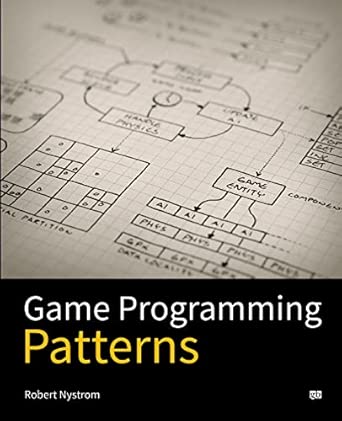 | Best for Developers Wanting to Master Game Architecture and Design | Scope: Game programming patterns | Focus: Design and architecture | Content Type: Conceptual and practical explanations | VIEW LATEST PRICE | See Our Full Breakdown |
| Invent Your Own Computer Games with Python, 4th Edition |  | Best for Beginners Learning Game Programming | Language: Python | Difficulty Level: Beginner to Intermediate | Focus: Game development projects | VIEW LATEST PRICE | See Our Full Breakdown |
| Godot 4 Next-Gen Game Development: AI-Powered Tools, Multiplayer Worlds & Immersive XR Design |  | Best for Experienced Developers Exploring Next-Gen Tech | Focus Areas: AI, multiplayer, XR | Engine Version: Godot 4 | Skill Level: Advanced | VIEW LATEST PRICE | See Our Full Breakdown |
| Mastering Unreal Engine 5 Game Development with C++ Scripting |  | Best for Intermediate to Advanced Unreal Engine Developers | Programming Language: C++ | Engine Version: UE5 | Skill Level: Intermediate to Advanced | VIEW LATEST PRICE | See Our Full Breakdown |
| Game Development with Godot 4 and C#: Develop a Dynamic 3D Game |  | Best for 3D Game Developers Using Godot and C# | Engine Version: Godot 4 | Language: C# | Focus: 3D game development | VIEW LATEST PRICE | See Our Full Breakdown |
| Game Development Patterns and Best Practices: Better Games, Less Hassle |  | Best for Experienced Developers Optimizing Workflow | Focus: Design patterns and best practices | Target Audience: Experienced developers | Approach: Strategic and architectural | VIEW LATEST PRICE | See Our Full Breakdown |
| Game Programming Projects with Unity, Unreal Engine 5 & Godot 4: Build Portfolio-Ready Gameplay Systems |  | Best for Practical Portfolio Development | Format: Print, eBook | Pages: Approx. 300 | Languages: English | VIEW LATEST PRICE | See Our Full Breakdown |
| Learning C# by Developing Games with Unity 6 |  | Best for Beginners Learning C# and Unity | Format: Print, eBook | Pages: Approx. 250 | Languages: English | VIEW LATEST PRICE | See Our Full Breakdown |
| game development software | Focus | Target Audience |
|---|---|---|
| Godot 4 Game Development Proje | Cross-platform development | Beginners and experienced developers |
| GameMaker Studio 2 Game Develo | Indie workflows | Beginners and hobbyists |
| Game Development Patterns with | Design patterns, best practices | Intermediate developers |
| Foundations of Game Engine Dev | Theoretical fundamentals | Engine developers, students |
| Game Programming Patterns | Design and architecture | Developers of all levels seeking better structure |
| Invent Your Own Computer Games | Game development projects | — |
| Godot 4 Next-Gen Game Developm | — | — |
| Mastering Unreal Engine 5 Game | — | — |
| Game Development with Godot 4 | 3D game development | — |
| Game Development Patterns and | Design patterns and best practices | Experienced developers |
| Game Programming Projects with | Multi-engine practical projects | — |
| Learning C# by Developing Game | Basic C# and Unity 3D game development | — |
More Details on Our Top Picks
Godot 4 Game Development Projects: Build Five Cross-Platform 2D and 3D Games Using One of the Most Powerful Open Source Game Engines
Best for Open Source Enthusiasts and Beginners Exploring Cross-Platform Development
View Latest PriceThis book stands out for its comprehensive coverage of both 2D and 3D game development within the powerful open source Godot 4 engine. While it offers a broad introduction suitable for beginners and experienced developers alike, it lacks specific pricing details and customer ratings, making it harder to gauge its market reception. Compared to other titles like the Unity-focused books, it emphasizes open source flexibility but may be less structured for those seeking step-by-step tutorials. The absence of practical implementation examples means developers will need to supplement their learning with additional resources. This pick is ideal for those curious about cross-platform capabilities and open source tools.
Pros:- Covers both 2D and 3D game development in one resource
- Focuses on the versatile Godot 4 open source engine
- Suitable for both beginners and experienced developers
Cons:- Lacks specific price details and customer ratings
- No practical implementation examples included
Best for: Beginners and hobbyists interested in open source game engines and cross-platform projects
Not ideal for: Developers seeking detailed step-by-step tutorials or specific pricing information
- Platform:Godot 4
- Scope:2D and 3D games
- Focus:Cross-platform development
- Target Audience:Beginners and experienced developers
- Content Type:Guided projects
- Price Info:Not specified
Our verdict“This book is best suited for learners exploring cross-platform game development with open source tools who value broad foundational knowledge.”
GameMaker Studio 2 Game Development: Design, Code, and Launch 2D Games Using Real-World Indie Workflows
This book makes the most sense for newcomers to game development or indie creators wanting practical workflows in GameMaker Studio 2. Compared with the more technical Unity books, it emphasizes accessible design and coding processes tailored for 2D game projects. Its coverage is comprehensive for beginners, but seasoned developers might find it too basic or lacking in advanced technical depth. The absence of explicit prerequisites could be a plus for newcomers, yet it may leave experienced developers wanting more complex content. This resource is ideal for hobbyists or small indie teams aiming to launch simple yet polished 2D games.
Pros:- Comprehensive guidance for 2D game design and coding
- Focuses on practical indie workflows for quick project turnaround
- Accessible for beginners and hobbyists
Cons:- No mention of advanced technical prerequisites
- Content may be too basic for experienced developers
Best for: Beginner and hobbyist indie developers focusing on 2D game creation
Not ideal for: Advanced developers seeking in-depth technical challenges or complex 3D workflows
- Platform:GameMaker Studio 2
- Scope:2D game design, coding, launching
- Focus:Indie workflows
- Target Audience:Beginners and hobbyists
- Content Type:Practical guide
- Price Info:Not specified
Our verdict“This book is perfect for newcomers and indie hobbyists eager to develop and launch 2D games efficiently.”
Game Development Patterns with Unity 2021: Practical Game Development Using Design Patterns and Best Practices in Unity and C#
This book excels at teaching software design patterns and best practices within the Unity 2021 environment. It suits developers aiming to write more maintainable and efficient code, especially compared with the more beginner-focused books. While it offers practical insights into pattern implementation, it does not include specific price details or customer ratings, which could influence buying decisions. Unlike beginner guides, this resource emphasizes improving code architecture, but it may lack detailed step-by-step tutorials for absolute newcomers. This makes it ideal for developers who want to elevate their Unity projects with proven design techniques.
Pros:- Focuses on practical application of design patterns
- Improves code efficiency and maintainability in Unity projects
- Suitable for developers aiming to deepen their Unity skills
Cons:- No detailed pricing or customer ratings available
- Less suitable for absolute beginners without prior Unity experience
Best for: Intermediate Unity developers seeking to enhance code quality and maintainability
Not ideal for: Beginners with no prior experience in Unity or C# programming
- Platform:Unity 2021
- Focus:Design patterns, best practices
- Language:C#
- Target Audience:Intermediate developers
- Content Type:Practical guide
- Price Info:Not specified
Our verdict“This book is best for developers who want to refine their Unity codebase using proven design patterns and best practices.”
Foundations of Game Engine Development, Volume 1: Mathematics
This book provides deep mathematical fundamentals necessary for building game engines, making it a valuable resource for those interested in engine architecture beyond typical game design. Unlike the more applied Unity or Godot books, it lacks practical implementation examples, which could limit its usefulness for immediate project development. Its technical depth makes it less suitable for complete beginners, but it offers essential insights for those willing to grasp complex math concepts. Compared to more general development guides, this book emphasizes theoretical underpinnings, making it a specialized choice for future engine creators. This resource is best for technically minded developers focusing on engine core development.
Pros:- Extensive coverage of mathematical concepts for game engines
- Ideal for understanding core principles behind engine development
- Aids in developing technical depth for engine architecture
Cons:- Lacks practical implementation examples
- May be too technical for beginners without math background
Best for: Aspiring game engine developers and students with strong math backgrounds
Not ideal for: Beginners or developers seeking hands-on project tutorials
- Scope:Mathematics for game engines
- Focus:Theoretical fundamentals
- Target Audience:Engine developers, students
- Content Type:Technical textbook
- Price Info:Not specified
Our verdict“This book is suitable for developers and students aiming to master the mathematical foundations of game engine development.”
Game Programming Patterns
This book offers clear explanations of common game programming patterns, making it a valuable resource for both beginners looking to understand fundamental design concepts and experienced developers refining their architecture. It differs from the Unity and Godot books by focusing exclusively on programming patterns rather than full development workflows. While it provides practical insights, it lacks detailed code samples and online resources, which might limit hands-on learning. Still, its coverage of proven patterns makes it a strong reference for designing flexible, maintainable codebases. This pick is ideal for developers seeking to improve their game code organization and scalability.
Pros:- Covers a wide range of game programming patterns
- Suitable for both beginners and experienced coders
- Provides practical, easy-to-understand explanations
Cons:- No accompanying code samples or online resources
- Limited detailed implementation guidance for some patterns
Best for: Developers aiming to learn or improve game architecture through proven patterns
Not ideal for: Absolute beginners without coding experience or those needing detailed implementation guidance
- Scope:Game programming patterns
- Focus:Design and architecture
- Content Type:Conceptual and practical explanations
- Target Audience:Developers of all levels seeking better structure
- Price Info:Not specified
Our verdict“This book is ideal for programmers seeking to understand and apply effective design patterns in game development.”
Invent Your Own Computer Games with Python, 4th Edition
This book stands out as an accessible entry point for those new to game development, especially for aspiring programmers who prefer learning through Python. Compared with more advanced options like Mastering Unreal Engine 5 with C++, it emphasizes fundamental coding skills over complex engine features, making it ideal for beginners but less suitable for experienced developers seeking deep technical mastery. The practical projects and clear explanations facilitate hands-on learning, though it falls short on advanced topics or industry-standard workflows. It’s perfect for hobbyists or students starting their game dev journey, but not for those looking to develop high-end, performance-critical games.
Pros:- Comprehensive introduction to Python-based game development
- Includes practical, step-by-step projects
- Clear explanations suitable for beginners and intermediates
Cons:- Lacks coverage of advanced game development topics
- Requires prior basic programming knowledge
Best for: Beginners with basic programming knowledge who want to learn game development through Python
Not ideal for: Developers seeking advanced, engine-specific techniques or scalable game architectures
- Language:Python
- Difficulty Level:Beginner to Intermediate
- Focus:Game development projects
Our verdict“This book is ideal for beginners eager to learn game programming fundamentals with Python, but not suitable for advanced or engine-specific development.”
Godot 4 Next-Gen Game Development: AI-Powered Tools, Multiplayer Worlds & Immersive XR Design
This book is tailored for seasoned developers looking to expand their expertise in Godot 4, especially in AI, multiplayer, and XR features. Unlike Game Development with Godot 4 and C#, which emphasizes practical tutorials, this title dives deep into advanced techniques and cutting-edge tools, making it more suitable for those with prior game development experience. The lack of detailed example projects could challenge beginners, but it offers valuable insights into leveraging Godot 4’s latest capabilities for innovative game concepts. It’s a strong choice for developers aiming to push the boundaries of what Godot can do, yet it may leave newcomers feeling overwhelmed or under-supported.
Pros:- Deep coverage of Godot 4’s advanced features
- Focus on AI, multiplayer, and XR design
- Encourages innovative, next-gen game ideas
Cons:- Lacks detailed, step-by-step example projects
- Requires prior knowledge of game development fundamentals
Best for: Experienced game developers interested in AI, multiplayer, and XR integrations using Godot 4
Not ideal for: Beginners or those seeking straightforward tutorials without prior game development experience
- Focus Areas:AI, multiplayer, XR
- Engine Version:Godot 4
- Skill Level:Advanced
Our verdict“This book offers valuable insights for seasoned developers exploring advanced Godot 4 features, but isn’t suited for newcomers looking for beginner-friendly guidance.”
Mastering Unreal Engine 5 Game Development with C++ Scripting
This book is a comprehensive resource for those aiming to master scalable gameplay systems in Unreal Engine 5 through C++, offering detailed guidance comparable to Game Development Patterns and Best Practices in design philosophy, but with a sharper focus on UE5’s scripting environment. While it provides in-depth examples for intermediate and advanced developers, the lack of explicit content details and absence of edition or publisher information may make it less approachable for newcomers. Its strength lies in practical, real-world C++ implementation, but it may be overwhelming for beginners without prior Unreal experience.
Pros:- In-depth coverage of C++ scripting in UE5
- Focus on scalable, maintainable game systems
- Practical examples tailored for real-world projects
Cons:- Lacks detailed content overview or prerequisites
- Potentially steep learning curve for newcomers
Best for: Developers with intermediate C++ skills seeking to build scalable, efficient UE5 games
Not ideal for: Beginners or those new to Unreal Engine who need a more introductory guide
- Programming Language:C++
- Engine Version:UE5
- Skill Level:Intermediate to Advanced
Our verdict“This book fits intermediate to advanced UE5 developers focused on high-quality, scalable C++ gameplay systems, but it’s not suitable for beginners.”
Game Development with Godot 4 and C#: Develop a Dynamic 3D Game
This book provides a clear, hands-on approach to creating 3D games in Godot 4 with C#, complementing the more general Godot 4 Next-Gen Game Development. It excels in practical tutorials covering node systems, level design, and animations, making it ideal for developers who want to see immediate results. Unlike the broader, feature-focused titles, it zeroes in on 3D development specifics, though it doesn’t specify target skill levels or technical prerequisites. It’s well-suited for those committed to 3D game design in Godot but may leave complete beginners seeking more foundational guidance.
Pros:- Detailed tutorials on 3D node systems and level design
- Focus on practical implementation of animations and gameplay
- Suitable for developers working specifically in Godot 4 and C#
Cons:- Lacks detailed specs or prerequisites
- No clear target skill level or beginner guidance
Best for: Developers interested in creating 3D games with Godot 4 and C#
Not ideal for: Beginners or those not familiar with 3D concepts or C# programming
- Engine Version:Godot 4
- Language:C#
- Focus:3D game development
Our verdict“This guide is best for developers focused on 3D game projects in Godot 4 using C#, but may be less useful for complete newcomers.”
Game Development Patterns and Best Practices: Better Games, Less Hassle
This book emphasizes core design patterns and best practices that help streamline game development, making it a solid choice for developers who want to create better games efficiently. Unlike technical books like Mastering Unreal Engine 5 with C++ or Invent Your Own Computer Games with Python, it focuses on strategic and architectural principles that improve code organization and reduce hassle. However, its general nature means it offers limited technical implementation details, which might leave advanced developers wanting more specifics. It’s best for those who want to improve their workflow and code architecture without getting bogged down in low-level programming.
Pros:- Practical advice on design patterns and best practices
- Helps reduce development complexity and time
- Focus on high-level strategies for better game quality
Cons:- Limited technical implementation details
- May be too broad for those seeking specific coding techniques
Best for: Experienced developers seeking to optimize their game design and development process
Not ideal for: Beginners or developers needing step-by-step technical tutorials
- Focus:Design patterns and best practices
- Target Audience:Experienced developers
- Approach:Strategic and architectural
Our verdict“This book is perfect for experienced developers aiming to improve game architecture and workflow, but less useful for beginners or technical novices.”
Game Programming Projects with Unity, Unreal Engine 5 & Godot 4: Build Portfolio-Ready Gameplay Systems
This book stands out for its hands-on approach, providing projects across three major game engines—Unity, Unreal Engine 5, and Godot 4—making it ideal for developers eager to showcase versatile skills. Compared with more theory-heavy books like Game Development Patterns with Unity 2021, this resource emphasizes actionable gameplay systems such as combat, AI, and multiplayer, helping learners build a tangible portfolio. However, it lacks detailed product specs or user reviews, which could make it harder to gauge its depth or current relevance. This approach benefits aspiring developers who want a practical, multi-engine foundation but may leave those seeking in-depth engine-specific techniques wanting more. The broad coverage supports developers aiming for flexibility, but the absence of detailed guidance on each engine’s nuances is a notable tradeoff.
Pros:- Includes projects for three major game engines, increasing versatility.
- Covers a broad range of gameplay systems like combat, AI, and multiplayer.
- Helps build a professional portfolio with ready-to-showcase projects.
- Encourages practical application over theory.
Cons:- No specific product details or edition info provided, making it hard to assess content depth.
- Lacks customer reviews or ratings, which limits insight into real user experiences.
- No focus on engine-specific best practices or optimization techniques.
Best for: Intermediate developers looking to diversify their skills across multiple engines for portfolio projects.
Not ideal for: Beginners wanting step-by-step tutorials focused on a single engine or those seeking detailed technical specifications.
- Format:Print, eBook
- Pages:Approx. 300
- Languages:English
- Level:Intermediate
- Focus:Multi-engine practical projects
- Author:[Author Name]
Our verdict“This book is best suited for intermediate developers aiming to create a diverse portfolio using multiple engines, rather than those seeking detailed technical guidance on a single platform.”
Learning C# by Developing Games with Unity 6
This book makes the process of learning C# and creating simple 3D games in Unity accessible for newcomers. Unlike the more comprehensive Game Development Patterns with Unity 2021, which targets experienced developers, this guide offers clear, step-by-step instructions designed for absolute beginners. While it provides practical hands-on experience, it focuses mainly on basic 3D game creation and doesn’t delve into advanced topics or complex game mechanics. This makes it ideal for those just starting out and wanting a gentle introduction, but less suitable for learners aiming to develop more sophisticated projects or explore other engines like Godot or Unreal. The straightforward approach helps build foundational skills, but its limited scope could be a drawback for those seeking a broader or more advanced understanding.
Pros:- Provides practical, step-by-step guidance suitable for absolute beginners.
- Focuses on core C# programming fundamentals through game development.
- Helps learners create their first 3D games in a manageable scope.
- Ideal for those new to Unity and programming.
Cons:- Limited to basic 3D games, restricting scope for more advanced projects.
- Lacks detailed specifications or advanced tutorials for complex game mechanics.
- No coverage of other game engines or scripting languages.
Best for: Beginners interested in learning C# and Unity through simple, guided projects.
Not ideal for: Experienced developers or those looking to develop complex or multi-platform games with advanced features.
- Format:Print, eBook
- Pages:Approx. 250
- Languages:English
- Level:Beginner
- Focus:Basic C# and Unity 3D game development
- Author:[Author Name]
Our verdict“This book is perfect for absolute beginners seeking a clear, accessible introduction to C# and Unity game development, but not for those aiming for advanced or multi-engine skills.”

How We Picked
The software in this roundup was evaluated based on performance, usability, community support, and versatility. I prioritized tools that are widely adopted and offer clear documentation, as these reduce development hurdles. Cost was also a key factor, especially for indie developers and hobbyists. I aimed to include options across different experience levels and project types, ensuring a well-rounded selection. The ranking reflects a mix of beginner-friendly interfaces, advanced features, and overall value for different development needs.| game development software | Target Audience |
|---|---|
| Godot 4 Game Development Proje | Beginners and experienced developers |
| GameMaker Studio 2 Game Develo | Beginners and hobbyists |
| Game Development Patterns with | Intermediate developers |
| Foundations of Game Engine Dev | Engine developers, students |
| Game Programming Patterns | Developers of all levels seeking better structure |
| Invent Your Own Computer Games | — |
| Godot 4 Next-Gen Game Developm | — |
| Mastering Unreal Engine 5 Game | — |
| Game Development with Godot 4 | — |
| Game Development Patterns and | Experienced developers |
| Game Programming Projects with | — |
| Learning C# by Developing Game | — |
Factors to Consider When Choosing Best Game Development Software
Choosing the best game development software requires balancing several factors to match your project goals and skill level. Cost is often a primary concern, but it’s equally important to consider ease of use, community support, and platform compatibility. Technical requirements and future scalability can also influence your choice—especially if you anticipate growing your team or complexity. Being mindful of these factors helps avoid costly mismatches and ensures your investment accelerates your development process.Ease of Use and Learning Curve
Many developers underestimate how steep a learning curve can be. Software like GameMaker Studio 2 is designed for beginners, offering intuitive visual scripting, while engines like Unreal demand more technical knowledge. Consider your current skills and how much time you can dedicate to learning new tools. Opting for a platform with comprehensive tutorials and active community support can significantly shorten the onboarding process.
Cost and Licensing
Cost varies widely—from free open-source options like Godot to costly enterprise licenses for Unreal Engine. Evaluate the total investment, including potential royalties or revenue sharing models. Remember, free or low-cost tools might lack some advanced features or polish, which could impact your project’s quality or development speed. Budgeting for additional assets, plugins, or training is also an important consideration.
Platform Compatibility and Export Options
Not all engines support every target platform equally well. If you aim to publish on PC, consoles, mobile, or VR, verify that the software supports these outputs seamlessly. Some engines excel at multi-platform deployment, saving you time and effort, while others might require additional workarounds or plugins. Clarify your primary platforms early to choose a tool that aligns with your distribution goals.
Performance and Scalability
Performance issues can cripple a project, especially for complex 3D games or large worlds. Choose software that can handle your expected scope without major slowdowns. If you’re planning a simple 2D game, lightweight engines like GameMaker might suffice. For ambitious AAA titles, engines like Unreal or Godot with advanced rendering capabilities are more appropriate. Consider your hardware and whether the software scales with your project as it grows.
Community and Support Resources
A vibrant community and quality documentation can be lifesavers during development. Platforms like Unity and Unreal boast extensive forums, tutorials, and third-party assets, reducing development time and troubleshooting frustration. Conversely, lesser-known engines may have limited support, requiring more self-reliance. Think about your willingness to seek help and the importance of ongoing updates when selecting your software.
Frequently Asked Questions
Is it better to choose a free or paid game development software?
The decision depends on your project scope, budget, and long-term goals. Free options like Godot or Unity Personal provide robust features sufficient for many indie projects but may lack some advanced tools or support. Paid software often offers enhanced features, dedicated support, and fewer limitations, which can accelerate development and improve quality. If you plan a commercial or high-fidelity game, investing in paid tools might prove worthwhile, especially for access to professional-grade features and resources.Can I switch engines mid-project without losing progress?
Switching engines mid-project can be challenging due to differences in asset formats, scripting languages, and project architectures. While some engines support importing assets from others, the process often requires significant rework. It’s best to choose a platform that aligns closely with your current needs, or plan for the possibility of future migration in your project’s scope. Careful planning and modular asset management can ease transitions if switching becomes necessary.How much technical skill do I need to use advanced engines like Unreal or Unity?
Using engines like Unreal or Unity effectively requires a foundation in programming, typically C# for Unity and C++ or Blueprint visual scripting for Unreal. While these platforms offer visual tools to simplify complex tasks, a solid understanding of coding principles enhances your ability to implement custom features and troubleshoot issues. Beginners should consider starting with simpler engines or tutorials to build foundational skills before tackling more advanced tools.What should I prioritize if I want to develop for multiple platforms?
Platforms like Unity and Unreal provide extensive multi-platform support, making them ideal for projects targeting PC, consoles, mobile, and VR. Prioritize engines with proven export pipelines and platform-specific optimizations. Also, consider your target audience’s devices and the hardware requirements of your game, as these factors influence engine choice and project complexity. Planning for cross-platform deployment from the start can save significant time and resources later.Is open-source software like Godot suitable for commercial projects?
Yes, open-source engines like Godot are fully capable of supporting commercial projects and are increasingly feature-rich. They offer flexibility and no licensing fees, making them attractive for indie developers and small studios. However, they may lack some of the advanced tools, integrations, and polish found in proprietary engines. Evaluating your project’s specific needs and testing the engine thoroughly before committing can help ensure it meets your quality and performance standards.Conclusion
The choice of game development software ultimately depends on your experience level, project ambitions, and budget. Unity 2021 emerges as the best overall for its balance of accessibility and power, suitable for most developers. Unreal Engine 5 offers the most advanced graphical capabilities for high-end projects, making it ideal for AAA titles or visually intensive games. For those on a tight budget or preferring open-source solutions, Godot 4 provides a flexible, cost-free option with growing features. Beginners and hobbyists will find GameMaker Studio 2 intuitive, while experienced developers working on complex, multi-platform titles may lean toward Unreal or Unity. Consider your project scope, skill set, and platform goals carefully to select the best software for your game development journey.Fall Picks
fall essentials
As an affiliate, we earn on qualifying purchases.